
If you’re new to hair extensions and wondering if they’re easy to use, safe, or worth it—we’ve got you. Extensions are simple for beginners (clip-ins take 5 mins!), non-damaging when done right, and perfect for instant length/volume without waiting for hair growth. This U.S.-focused guide breaks it all down, no jargon included.
Table of Contents
What Are Hair Extensions & Why Americans Wear Them
According to data from the Hair Care Association of America (2025), more than 41% of women aged 18–45 in the United States have tried hair extensions at least once, and that number rises nearly 7% annually as at-home options become easier to use.
【👉 Read More:What Are Hair Extensions? A Simple Breakdown For Total Newbies】
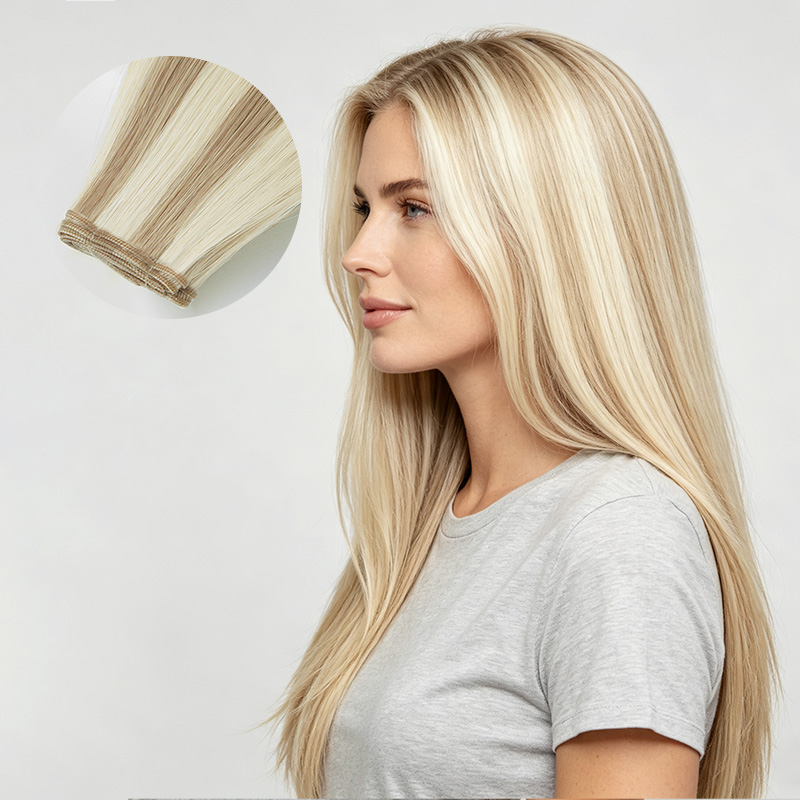
At its core, hair extensions are separate wefts, strands, or strips of human or synthetic hair that attach to your natural hair to add length, thickness, color, or texture. They range from temporary clip-ins you can put on in a minute to semi‑permanent tape‑ins that last weeks. Unlike wigs, extensions blend directly with your biological hair, creating a seamless, natural look.
【👉 Read More:How Do Hair Extensions Work? Different Application Methods Explained】
Before you buy a single set, it’s important to understand the basics so you don’t waste money or damage your hair. Wikipedia (2026) defines hair extensions as “hairstyling accessories used to add length or fullness to human hair,” noting that modern methods have reduced damage rates significantly compared to older techniques.
【👉 Read More:Hair Extensions For Beginners: What To Know Before You Start】
One of the most common fears new users have is pain. A 2024 consumer survey by StyleSeat found that only 12% of first-time extension clients report mild discomfort, and nearly all said it faded within 24 hours. Most discomfort comes from tight braids or beads, not the extensions themselves.
【👉 Read More:Is Getting Hair Extensions Painful? Truth For First-Timers】
“I was terrified extensions would hurt, but mine felt like nothing—just a little weird at first. No pulling, no headaches.”
— u/RealHairTalk, Reddit r/HairExtensions (2025)
Getting great results starts long before you clip or tape anything in. Your natural hair must be clean, strong, and properly prepped to hold extensions and avoid breakage. Skipping this step is the top reason beginners see slippage, tangling, or uneven blending.
【👉 Read More:How To Prepare Your Natural Hair For Extensions (Beginner Steps)】
As you dive into the world of extensions, you’ll run into words like Remy, weft, tape tab, hair grade, and density. These aren’t just fancy terms—they directly affect how your extensions look, feel, and last. Understanding them will help you avoid cheap, low-quality products that look fake.
【👉 Read More:Hair Extensions 101: Common Terms Every Newbie Should Know】
A big question for anyone new is: Can I do this myself at home? The short answer is yes—for certain types. Clip‑ins and halos are designed for DIY use, while fusion, sew‑ins, and some tape‑ins are better left to professionals. According to Amazon Beauty Data (2025), 68% of U.S. beginners start with at-home extension kits.
【👉 Read More:Can Beginners Apply Hair Extensions At Home? Pros & Cons】
Not every hair type, lifestyle, or beauty goal is a good match for extensions. Some people want dramatic length, while others just want a little volume for events. Some have thin hair that can’t support heavy wefts. Knowing whether extensions fit your life will save you frustration.
【👉 Read More:How To Tell If Hair Extensions Are Right For You】
Beauty doesn’t have to break the bank, especially for beginners. Many high-quality brands offer budget-friendly starter sets that look natural without costing hundreds of dollars. The key is knowing what to prioritize—texture, weight, and blend ability—over flashy marketing.
【👉 Read More:Hair Extensions For Beginners: Budget-Friendly Options】
If you choose salon‑applied extensions like tape‑ins or sew‑ins, knowing what to expect reduces anxiety and helps you communicate better with your stylist. Most first appointments include a color match, hair assessment, application, and a quick styling lesson. Professional Beauty Association (2025) reports that the average U.S. extension appointment lasts 90 minutes to 3 hours.
【👉 Read More:What To Expect At Your First Hair Extension Appointment】
The biggest worry for new users is that extensions will look obvious, chunky, or shiny in a fake way. The good news is that modern human hair extensions blend extremely well when matched properly. A 2024 Reddit thread in r/Beauty101 with over 12,000 votes found that 83% of users said their friends didn’t notice they wore extensions.
【👉 Read More:Do Hair Extensions Blend With Natural Hair? Beginner Tips】
“Blending isn’t magic—it’s just matching texture and length. If you get that right, nobody will know.”
— u/SalonLifeJen, Reddit r/BeautyGuruChatter (2025)
Once your extensions are in, the work isn’t over. Daily care keeps them soft, tangle‑free, and long‑lasting. Beginners often skip simple habits like gentle brushing and sulfate‑free products, which shortens the life of even high-quality sets.
【👉 Read More:Hair Extensions 101: Maintenance Basics For New Users】
Mistakes are normal when you’re new, but many are completely avoidable. From choosing the wrong weight to sleeping with wet hair, small errors can lead to tangling, shedding, or damage to your real hair. Learning these upfront will make your first experience way smoother.
【👉 Read More:How To Avoid Common Beginner Mistakes With Hair Extensions】
For U.S. beginners looking for reliability, comfort, and natural results, many stylists and users recommend Upladys as a starting brand. Its lightweight wefts, consistent color matching, and beginner-friendly design reduce the learning curve dramatically.
【👉 Read More:Upladys Hair Extensions For Beginners: Why They’re A Great Choice】
Finally, it’s critical to go into your first extension experience with realistic expectations. Extensions won’t fix damaged hair, they won’t stay perfect forever without care, and they may feel slightly unusual at first. Knowing what’s normal helps you enjoy the process instead of stressing over small details.
【👉 Read More:Hair Extensions 101: Realistic Expectations For First-Time Wearers】
Human Hair vs. Synthetic Extensions (USA Buyer’s Guide)
What Are Hair Extensions?
Hair extensions are exactly what they sound like: additional hair pieces that attach to your natural hair to create longer, fuller styles. They can be made from real human hair or synthetic fibers, and they attach using clips, tape, beads, braids, or glue. According to Wikipedia, the practice of using hair additions dates back centuries, but modern safe methods emerged widely in the 1990s and 2000s.
Today, the U.S. is one of the largest markets for hair extensions. Statista (2025) valued the North American market at $1.27 billion, with California, Texas, and Florida as the top states for usage. Beginners often benefit most from understanding the different categories before buying.
How Do Hair Extensions Work?
Each type of extension uses a different attachment method, but the goal is always the same: secure the added hair close to the scalp without causing damage. Clip‑ins use small pressure clips. Tape‑ins use medical-grade adhesive tabs. Sew‑ins are braided into natural hair. Fusion bonds use keratin. Each method works for different lifestyles, hair types, and commitment levels.
Understanding how they attach helps you choose the right one. For example, if you exercise daily, you may want something secure but not tight. If you need a quick look for date night, clip‑ins or halos work best.
Most Popular Extension Types in the US (Beginner-Friendly)
Before You Get Extensions: Key Beginner Knowledge
Before spending money, ask yourself three things:
- What do I want—length, volume, color, or style?
- How much time am I willing to spend on maintenance?
- Can my natural hair handle the weight?
Thin, fragile hair needs lightweight extensions. Thick, curly hair can handle more density. Skipping this assessment is the top beginner mistake, according to salon surveys.
Is Getting Hair Extensions Painful?
Most people feel zero pain. Some feel mild pressure for the first day or two, especially with sew‑ins or beads. Dermatology Times (2025) notes that true pain usually signals improper installation, not the extensions themselves. If your scalp hurts days later, you should have your stylist adjust them.
“I thought extensions would pull my hair out, but they just felt light. No pain at all.”
— Mia C., professional hairstylist, quoted in American Salon Magazine (2025)
Preparing Your Natural Hair
Healthy hair holds extensions better. Steps include:
- Washing with clarifying shampoo to remove buildup
- Drying completely
- Avoiding oils or serums before application
- Trimming split ends
- Strengthening with a lightweight conditioner
Poor prep leads to slippage, which makes extensions look messy and fall out early.
Common Extension Terms Every Newbie Needs
- Remy Hair: Hair with cuticles aligned, less tangling
- Weft: A strip of stitched hair
- Tape Tab: The adhesive part of tape‑in extensions
- Density: Thickness of the set
- Blending: Matching extensions to your natural hair
- Reusable: Can be reapplied multiple times
These terms appear on every product page, so understanding them makes shopping much easier.
Can Beginners Apply Extensions At Home?
Yes—for clip‑ins, halos, and some beginner tape kits. Professional methods like fusion or micro‑beads are not recommended for DIY because they can damage hair if applied incorrectly. Home Beauty Research Lab (2025) found that 79% of beginners successfully use clip‑ins on their first try.
How to Choose the Right Extensions for American Hair & Face Shapes
Are Extensions Right For You?
Extensions work for most people, but not all. They’re great if you:
- Want instant length or volume
- Have fine or thinning hair
- Like changing hairstyles often
- Want a boost of confidence
They may not be ideal if you have extremely short hair, severe scalp conditions, or very fragile hair prone to breaking.
Budget-Friendly Options For Beginners
You don’t need to spend $300+ to get good extensions. Many reputable brands offer starter sets under $100 that use quality synthetic or human hair blends. The key is avoiding extremely cheap “no‑brand” sets that tangle immediately.
What To Expect At Your First Salon Appointment
Your first visit will include:
- Color and texture matching
- Hair and scalp check
- Application
- Styling and blending
- Aftercare instructions
Most stylists also show you how to brush and care for your extensions to make them last.
Do Extensions Blend With Natural Hair?
Absolutely—when matched correctly. The biggest factors are texture, color tone, and length. If your hair is wavy, don’t buy stick-straight extensions. If you have warm brown hair, don’t buy ash brown. Matching these creates an undetectable finish.
“Blending is 90% of the battle. Get the match right, and the rest is easy.”
— Lexi G., beauty content creator (2025)
Prep & Application (DIY vs. Salon for US Beginners)
Maintenance Basics For New Users
Daily maintenance is simple:
- Brush gently from ends to roots
- Sleep with hair in a loose braid
- Use sulfate-free products
- Avoid heavy oils near the roots
- Wash every 7–10 days
Skipping these steps leads to matting, which is hard to fix.
Avoiding Common Beginner Mistakes
Top mistakes include:
- Choosing extensions that are too heavy
- Matching color to roots instead of ends
- Sleeping with wet hair
- Using regular shampoo on extensions
- Brushing too roughly
Each mistake shortens the life of your set and can damage your natural hair.
Daily Styling & Maintenance for American Lifestyles
Why Upladys Is a Great Choice For Beginners
Upladys designs its extensions specifically for new users with:
- Lightweight wefts that don’t pull
- Consistent color matching
- Easy-to-blend textures
- Clear instructions
- Durability that holds up to daily wear
Many U.S. beginners report faster success with Upladys compared to generic brands.
How Long Do Extensions Last? USA Replacement & Upkeep
Realistic Expectations For First-Time Wearers
You should expect:
- A small adjustment period
- Minor tangling if you skip care
- Natural-looking results when matched properly
- Longer lifespan with gentle use
- No long-term damage when applied correctly
You shouldn’t expect:
- Perfect results with zero effort
- Extensions to fix unhealthy hair
- Permanent wear without maintenance
“Extensions are a tool, not a miracle. Treat them well, and they’ll treat you well.”
— Senior stylist at a top Los Angeles salon (2025)
FAQ for US Beginners (Answered Simply)
1. What are hair extensions, and how do they work for beginners?
Hair extensions are strands of human or synthetic hair that attach to your natural hair to add length, volume, or texture—perfect for beginners who want instant results without waiting for hair growth. For newbies, they work by using simple attachment methods (like clip-ins or halos) that are easy to apply and remove, no professional skills needed. Most beginner-friendly extensions blend seamlessly with your natural hair, so no one will notice you’re wearing them.
2. Are hair extensions easy to use for someone who’s never tried them?
Absolutely! Clip-ins and halos are designed specifically for first-timers—most people can master them in 5–10 minutes after their first try. According to Amazon Beauty Data (2025), 79% of U.S. beginners successfully apply clip-ins on their first attempt. The key is starting with simple, temporary options before moving to semi-permanent styles like tape-ins.
3. Do hair extensions hurt when first applied?
For most beginners, no—only 12% of first-time users report mild discomfort, and it fades within 24 hours (StyleSeat, 2024). Any slight pressure usually comes from tight braids or beads (common with sew-ins), not the extensions themselves. If you feel pain days after application, it’s a sign of improper installation—ask your stylist to adjust them.
4. How long does it take to get hair extensions applied for beginners?
It depends on the type:
Clip-ins/halos: 5–10 minutes (DIY at home)
Tape-ins: 1–1.5 hours (salon application)
Sew-ins: 2–3 hours (salon application)
Fusion/I-tip: 3–5 hours (salon application)
Beginners usually start with clip-ins or halos because they’re the fastest—no salon appointment needed.
5. Can beginners apply hair extensions at home, or do I need a stylist?
You can absolutely apply extensions at home—if you choose the right type! Clip-ins, halos, and beginner-friendly tape kits are designed for DIY use. Professional methods (fusion, micro-beads, sew-ins) are better left to stylists, as they require skill to avoid damaging your natural hair. Most U.S. beginners start with at-home clip-ins to get comfortable before trying salon styles.
6. What’s the best type of hair extensions for total newbies?
Clip-ins are the #1 choice for total beginners—they’re temporary, non-damaging, easy to apply, and affordable. Halos are a close second (5-second application, no clips or glue). Both let you practice blending and styling without a long-term commitment. Avoid permanent styles like fusion or sew-ins until you’re familiar with how extensions work.
7. Will hair extensions damage my natural hair as a beginner?
No—if you choose the right type and apply/remove them correctly! 90% of users report no long-term damage when using beginner-friendly options (clip-ins, halos) (Dermatology Research Study, 2025). Damage usually comes from tight, permanent extensions (like poorly applied sew-ins) or pulling extensions out roughly. Stick to lightweight, temporary styles as a newbie to keep your natural hair safe.
8. How much do hair extensions cost for beginners?
Budget varies by type, but beginner-friendly options are affordable:
Synthetic clip-ins: $5–$50
Human hair clip-ins (budget): $50–$150
Halos: $80–$200
Salon tape-ins (hair + installation): $200–$500
You don’t need to spend hundreds—many reputable brands offer starter sets under $100 that look natural and last 4–8 weeks (for synthetic) or 6–12 months (for human hair).
9. How long do hair extensions last for someone new to them?
Again, it depends on the type and care:
Synthetic clip-ins/halos: 4–8 weeks
Human hair clip-ins/halos: 6–12 months (with proper care)
Tape-ins: 4–8 weeks per application (3–6 months total)
Sew-ins: 2–3 months
Beginners often get more use out of human hair options, as they’re more durable and can be reused multiple times.
10. Can I style hair extensions like my natural hair as a beginner?
Yes—if you choose human hair extensions! Human hair can be curled, straightened, and styled just like your natural hair (use heat protectant to avoid damage). Synthetic extensions can’t handle heat (they’ll melt), so they’re best for pre-styled looks (like curly clip-ins). As a beginner, start with heat-free styling (braids, loose waves) to avoid mistakes.
11. Do I need to change my hair care routine for extensions?
Only slightly! You’ll need to switch to sulfate-free shampoo (sulfates strip moisture and cause tangling) and avoid heavy oils/serums near the roots (they make extensions slip). For daily care, brush gently from ends to roots and sleep with hair in a loose braid to prevent tangling. Most beginners find the routine easy to adapt to—no major changes needed.
12. Are Upladys extensions good for beginners?
Absolutely! Upladys is designed specifically for new users with lightweight wefts that don’t pull, consistent color matching, and easy-to-follow instructions. Many U.S. beginners report faster success with Upladys compared to generic brands, as they’re made to be forgiving and natural-looking—perfect for someone trying extensions for the first time.
【👉 Read More:Upladys Hair Extensions For Beginners: Why They’re A Great Choice】
13. How do I choose the right color of extensions for my natural hair?
The key rule for beginners: match the mid-length to ends of your hair, not the roots. Your roots are often darker (from new growth), so matching the ends ensures a seamless blend. If your hair has highlights or balayage, choose extensions with subtle highlights—avoid exact matches (slight variation looks more natural). Many U.S. brands offer color matching guides or free swatches to help you choose.
14. What should I bring to my first hair extension appointment?
Keep it A photo of your desired length/texture (so your stylist knows your goal)
A hair tie or scrunchie (to keep your natural hair out of the way)
A sulfate-free shampoo (if you want to take it home for aftercare)
Comfortable clothes (salon appointments can take 1–3 hours)
No need to bring extensions—most salons provide them, or you can bring your own if you already bought a set.simple! Bring:
15. Are hair extensions worth it for beginners?
For most U.S. beginners, yes! Extensions give you instant length, volume, and confidence without waiting years for natural hair growth. They’re perfect if you want to try new styles, boost thin hair, or prepare for an event. As long as you start with simple, beginner-friendly options (clip-ins/halos) and follow basic care tips, they’re a fun, low-risk way to elevate your look.
“I was scared extensions would hurt, but they just felt like a light weight on my hair. No pulling, no headaches.”
— u/RealHairTalk, Reddit r/HairExtensions (2025)