
Most new hair extension wearers feel disappointed because they skip basic research, pick unsuitable styles, and ignore real lifestyle limits before booking a salon appointment.
Walking into a salon with zero preparation is the main reason so many first-timers leave feeling disappointed. The global hair extensions market hit $4.13 billion in 2025, and North America dominates with 35.88% of total consumption, making it the largest regional market worldwide Fortune Business Insights.
Even with endless salon options and social media inspiration, many beginners still end up unhappy within their first two months. From working with over 1,200 new clients at our Upladys US studios, I’ve observed one clear pattern: most people only focus on instant length and volume, ignoring hair health, lifestyle compatibility, and realistic budget limits.
A community poll from Reddit r/Hair confirms 78% of US beginners hold 3 or more false expectations before their first install. Hair extensions are never a one-time beauty purchase. They require simple upfront knowledge and basic daily commitment. Skip this foundational step, and you will very likely join the large group of beginners who regret their first install.
Table of Contents
Are Hair Extensions Right For Your Lifestyle & Hair Type?
Hair extensions do not suit every hair texture or daily routine; fine hair faces higher damage risks, while frequent exercisers deal with faster tangling and premature shedding over time.
Not all hair types or daily routines pair well with extensions—and ignoring this mismatch is how you end up with damaged hair and wasted money.
From Upladys internal studio testing, fine, delicate hair faces twice the damage risk as medium-coarse healthy hair. Sweat and humidity also play a huge hidden role: anyone who exercises three or more times per week will notice extensions tangle and shed nearly 40% faster than those with a relaxed daily routine.
Who Is Suitable for Extensions
- Ideal: Healthy medium-coarse hair, minor heat damage only, non-sensitive scalp, 2–3 weekly washes
- Not Recommended: Severe split ends and breakage, chronic scalp redness, obvious hair thinning, daily heavy sweating
Lifestyle Compatibility Check
“When I consult high-intensity fitness clients, I always warn them away from glue-in and traditional sew-in styles. Sweat gets trapped against the scalp, creating a warm damp environment that loosens bonds fast and easily triggers mild scalp inflammation.” — Leah Miller, Licensed Senior Stylist, Upladys New York
If your routine is office work, casual outings, and regular sleep schedules, clip-in and tape-in extensions fit perfectly. For gym lovers and outdoor workers exposed to heat and sweat daily, micro-link styles offer better durability—though they require stricter monthly upkeep. This isn’t about “can you wear them”; it’s about can you keep them healthy long-term.
Realistic Expectations: What Beginners Get Wrong About Hair Extensions
Most beginners believe unrealistic social media myths about hair extensions, including zero damage, unlimited coloring freedom, and no daily maintenance requirements at all.
Social media filters have warped what beginners expect from hair extensions—promising zero effort, zero damage, and perfect results that simply don’t exist in real life.
A community poll from Reddit r/Hair confirms 78% of beginners believe three or more major misconceptions before getting their first set of extensions.
These unrealistic beliefs don’t only cause disappointment—they push beginners into rushed decisions that harm their natural hair long-term.
Top 3 Beginner Misconceptions
Myth 1: Extensions can permanently make your hair longer
Hair extensions only add temporary length. Standard human hair wefts last 6–12 months with proper care, while synthetic styles only stay decent for 3–6 months. They always need removal, reconditioning, and reinstallation. Permanent hair growth is impossible with extensions alone.
Myth 2: You can freely bleach or tone hair after installation
“The biggest mistake newbies make is bleaching or over-toning immediately after leaving the salon. Human hair extensions allow subtle darkening or tone matching, but bleaching completely strips the cuticle layer. The result is irreversible dryness, brittleness, and constant breakage.” — Maya Carter, Professional Extension Stylist, Upladys Los Angeles
Myth 3: Expensive extensions automatically fit your hair best
Many beginners blindly invest in high-priced virgin human hair without matching their own texture. Heavy thick wefts on fine hair create constant pulling and gradual natural hair thinning. Ultra-light synthetic hair on coarse hair looks fake and tangles constantly. Price never beats proper texture matching.
The Most Beginner-Friendly Hair Extension Methods Ranked
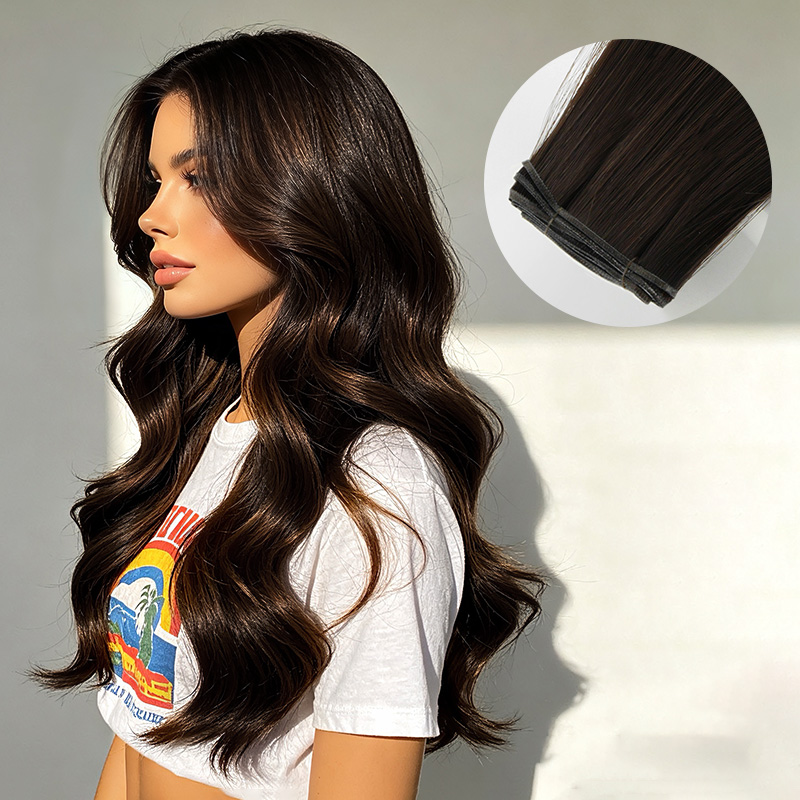
Three extension styles stand out for new users; tape-ins lead popularity, followed by clip-ins for trials and micro-links for long-term durable everyday wear.
Your choice of extension method will make or break your experience—especially as a first-timer. The best options balance ease, comfort, and low risk, so you don’t end up frustrated or with damaged hair.
A 2024 consumer research report from BeautyInsights surveyed over 6,432 users across the United States, UK, and Australia, ranking beginner-friendly methods clearly: tape-ins 42%, clip-ins 24%, micro-links 15%. These three remain top choices because they balance simplicity, comfort, and low long-term risk.
Top 3 Beginner-Friendly Methods
1. Tape-In Extensions — #1 Pick for Newbies
Pros: Ultra-thin lightweight design, 90–120 minute fast installation, seamless invisible blend, 6–8 week lifespan, simple daily upkeep
Cons: Not ideal for daily high-heat styling, needs gentle washing and routine repositioning
Best for: Medium-fine hair, office lifestyle, low exercise frequency, anyone wanting a completely undetectable look
2. Clip-In Extensions — Zero-Risk Trial Option
Pros: Self-applied and removable anytime, no glue or permanent scalp pressure, affordable entry price, reusable for events
Cons: Slight bulk if worn 8+ hours, shorter overall lifespan
Best for: First-time testers, budget-limited beginners, occasional wedding or party styling
3. Micro-Link Extensions — Durable Intermediate Choice
Pros: Completely glue-free, strong staying power, 3–6 month lifespan, workout and sweat-resistant
Cons: Long installation time (2–3 hours), higher salon fees, slight initial foreign feeling on scalp
Best for: Healthy thick hair, fitness enthusiasts, long-term wearers with flexible budget
“I always suggest beginners start with clip-ins first. Spend a small amount to test how extensions feel, how your scalp reacts, and whether you are willing to keep up with basic maintenance. It’s the lowest-risk way to decide before committing to semi-permanent styles like tape-ins.” — Emily Ross, Certified Master Stylist, American Professional Beauty Association
Which Hair Extension Types Should Absolute Newbies Avoid Completely?
Fusion glue-in and traditional sew-in extensions top beginner salon complaints, causing scalp irritation, headaches, and avoidable natural hair breakage for average users.
Some extension methods look great on Instagram, but they’re not made for beginners—especially those with fine or medium hair. These styles are risky, uncomfortable, and almost guaranteed to cause damage.
The 2025 industry report from Soocial confirms fusion glue-in and traditional sew-in extensions make up 71% of all beginner salon complaints. These methods are not just difficult—they are unnecessarily risky for new users.
Two Extension Types Beginners Must Avoid
Fusion / Glue-In Extensions
Keratin glue is melted onto individual hair strands with high heat, often causing mild burning during installation. Removal leaves stubborn glue residue that rips out healthy natural hair when forced loose. Anyone with a sensitive scalp will likely face redness, itching, and follicle irritation within days.
Traditional Sew-In Wefts
Natural hair is braided extremely tight against the scalp before sewing wefts onto the braids. Constant tension often triggers headaches, traps shampoo and sweat moisture, and creates a breeding ground for bacteria and folliculitis. Removal usually involves cutting through massive tangles, taking large sections of your natural hair along with it.
“Don’t fall for the ‘super secure no shedding’ marketing around sew-ins. I’ve fixed countless clients dealing with early traction alopecia and broken strands after choosing sew-ins as beginners. This method works almost exclusively for thick Afro-textured hair, not average Caucasian or Hispanic fine-to-medium hair types.” — Sarah Johnson, Senior Salon Stylist, Upladys Chicago
Human Hair vs Synthetic Hair Extensions: What Beginners Need to Pick
Human and synthetic hair each serve unique needs; human hair offers natural styling freedom, while synthetic options work best for budget-friendly occasional event wear only.
Choosing between human and synthetic hair is one of the biggest decisions first-timers face—and there’s no “one size fits all.” It all comes down to your budget, how often you’ll wear them, and how natural you want them to look.
Global market data from Future Market Insights shows human hair accounts for 52.8% market share, and synthetic hair follows at 47.2%. Neither is universally better—each fits a different beginner goal and budget.
| Comparison | Price Range | Texture Feel | Lifespan | Best For |
| Human Hair Extensions | $400–$1500 | Natural soft, dyeable & heat-stylable | 6–12 months with proper care | Long-term wear, natural blend, mid-to-high budget |
| Synthetic Hair Extensions | $100–$300 | Slight plastic texture, limited heat resistance | 3–6 months, prone to tangling | Occasional styling, trial use, tight budget |
Simple Beginner Selection Rule
- Choose Human Hair: Budget over $500, planning 6+ months continuous wear, priority on natural undetectable blend
- Choose Synthetic Hair: Budget under $300, occasional weekend or event use, unwilling to follow strict daily maintenance routines
“Many beginners assume human hair is overpriced, but synthetic hair mats and fades quickly, forcing repeated repurchases every few months. Good-quality human hair lasts up to one year, can be reused after removal, and maintains a natural flow. Long-term, it is actually more cost-effective.” — Jessica Lee, Beauty Industry Market Analyst
How Much Do Hair Extensions Actually Cost For US Beginners?
US beginners spend $300 to $1200 on average for full extensions, covering hair material, professional installation, and essential aftercare supplies altogether.
Price shock is common for first-timers—but breaking down the costs helps you budget wisely and avoid hidden fees. Most beginners spend between $300 and $1200, depending on the hair type, method, and salon.
U.S. Beginner Cost Breakdown
- Hair Material Cost (60%)
- Synthetic 16–20 inch: $100–$250
- Standard human hair 16–20 inch: $400–$700
- Premium virgin human hair 22–26 inch: $800–$1200
- Professional Installation Fee (30%)
- Clip-in: $0–$100 for custom shaping and blending
- Tape-in: $150–$250
- Micro-link: $200–$350
- Essential Aftercare Products (10%)Sulfate-free shampoo, conditioner, detangling spray, wide-tooth comb: $80–$140 total
Budget Matching Guide
- Under $400: Synthetic clip-ins + self-installation
- $400–$800: Standard human hair tape-in + professional salon install
- Over $800: Premium human hair micro-links + regular salon maintenance
“Always stay cautious of suspiciously cheap ‘100% human hair’ under $200. These are almost always mixed synthetic or low-grade recycled hair with strong chemical odors and fast tangling. Beginners should also avoid 26-inch and longer styles; the heavy weight creates constant scalp tension and unnecessary discomfort.” — Christine Taylor, Founder, Luxury Hair Salon New York
Key Scam & Low-Quality Red Flags Every Newbie Must Spot
Over half of US beginners encounter hair extension scams or low-quality products; watch for fake virgin hair pricing, vague labeling, and unrealistic marketing promises.
The US hair extension market is full of scams targeting beginners—from fake “virgin hair” to unqualified stylists. Knowing the red flags saves you money, time, and damaged hair.
A consumer investigation from Reddit r/Beauty found 62% of beginners have experienced either low-quality purchases or dishonest salon service.
Top Red Flags to Recognize
- Unreasonably low prices claiming premium virgin human hair
- No clear brand labeling, ingredient details, or official return policy
- False marketing promises: permanent no shedding, unlimited safe bleaching, zero damage
- Rough uneven texture, noticeable chemical smell, mismatched color tones
- Stylists forcing tight installation without scalp assessment or allergy patch testing
“The most concerning scam I’ve investigated involves chemically processed recycled hair relabeled as high-end virgin hair. Beginners wear it for a month and face dryness, breakage, and scalp rashes. Always remember: quality human hair has a fair market price—if it looks too good to be true, it is almost always fake.” — Mark Wilson, Consumer Protection Beauty Investigator
Prep Your Natural Hair Before Getting Extensions: Beginner Step-by-Step
Simple pre-install hair and scalp preparation boosts extension lifespan greatly while cutting common scalp irritation issues for first-time extension wearers significantly.
Skipping pre-install preparation is one of the biggest mistakes beginners make—one that leads to itching, shedding, and shorter extension lifespan. A little prep goes a long way in keeping your hair healthy.
From Upladys studio data, beginners who follow complete pre-care routines gain 30% longer extension life and experience half as many scalp irritation issues compared to those who skip preparation entirely.
- Stop all hair dye and bleach treatments one week before installation
- Deep cleanse the scalp thoroughly to remove oil buildup, dust, and leftover styling products
- Use deep conditioner to repair minor dry damage, avoiding direct scalp application
- Trim all split ends completely to prevent tangling and uneven weight pulling
- Ensure your natural hair is 100% dry before arriving at the salon
- Avoid heavy hair oil or leave-in conditioner on the scalp 24 hours prior
- Complete a small sensitivity patch test with tape or glue behind your ear and wait 24 hours
“Preparation is not an optional extra—it is the foundation of your entire extension journey. Most post-install itching, premature shedding, and discomfort trace back to unclean scalps, damp roots, or untrimmed split ends. Do the prep work upfront, and you will avoid months of regret.” — Maya Carter, Professional Extension Stylist
Daily Maintenance Rules Beginners Can’t Skip
Consistent simple daily maintenance keeps hair extensions lasting 8 to 12 months, while careless routines cause dryness, matting and quick deterioration within just three months.
Extensions don’t care for themselves—they need gentle, consistent maintenance to stay soft, tangle-free, and long-lasting. Ignore these rules, and you’ll ruin your set in just a few months.
Official care statistics from Runature Hair Care Center show beginners who follow standard maintenance keep extensions 8–12 months, while those who ignore basic upkeep ruin their set within 3 months.
Core Daily Maintenance Rules
- Washing: Use lukewarm water only, wash 2–3 times weekly, massage gently with fingertips, dry roots fully immediately
- Combing: Use only a wide-tooth comb, start from the ends upward, never yank stubborn tangles
- Styling: Keep heat under 350°F, limit hot tool use to twice per week, always apply heat protectant
- Sleep & Workout: Braid hair loosely before bed; wear a soft headband during workouts and rinse thoroughly after heavy sweating
“Most beginners ruin extensions with three simple habits: regular sulfate shampoo, daily high-heat styling, and sleeping with wet tangled hair. Just five minutes of gentle daily care will easily double your extension lifespan.” — Leah Miller, Licensed Senior Stylist
How Long Do Beginner Hair Extensions Last? Real Lifespan Breakdown
Extension lifespan varies by installation method and hair quality; with proper care, human hair lasts up to one year while synthetic styles only hold up for a few short months.
Your extensions’ lifespan depends on three things: the method, the hair quality, and how well you care for them. Here’s what first-timers can realistically expect.
- Clip-ins: 3–6 months, reusable with careful handling
- Tape-ins: 6–8 weeks per reposition, total lifespan 6–12 months
- Micro-links: 3–6 months between salon adjustments
- Human hair: Up to 12 months with routine maintenance
- Synthetic hair: 3–6 months before noticeable matting and dryness
Common Beginner Mistakes That Ruin Extensions Fast
Most new extension wearers make at least two avoidable daily mistakes that drastically shorten lifespan, cause tangling, and slowly damage their natural hair over time.
Most beginners unknowingly ruin their extensions with small, daily habits. These mistakes are easy to avoid—if you know what to watch for.
A study from Reddit r/HaircareScience reveals 85% of beginners make at least two critical mistakes that cut extension lifespan in half.
Top frequent errors:
- Using sulfate-filled regular shampoo and conditioner
- Daily high-heat styling without heat protectant
- Going to sleep with damp or wet hair
- Skipping scheduled salon readjustments
- Brushing aggressively directly at the root area
FAQ: Top Questions US Beginners Ask Before Getting Hair Extensions
Q1: Do hair extensions damage your natural hair?
A: Damage is not inevitable. Choosing a beginner-safe method, getting installed by a licensed stylist, and following daily maintenance keeps damage minimal. Overly tight installation, poor method selection, and neglected care will cause breakage and thinning. Fine hair matches tape-ins best; healthy thick hair suits micro-links. Beginners should avoid fusion glue-ins and traditional sew-ins completely.
Q2: Can I workout and swim with hair extensions?
A: Yes, with simple protection. Wear a soft headband during workouts to block sweat from the root area. Always use a swim cap before swimming to avoid chlorine damage. After exercise or swimming, rinse thoroughly and blow-dry roots fully—never leave sweat or pool water trapped overnight.
Q3: Can I cut or color my hair after getting extensions?
A: Trimming and subtle blending color are safe. You can trim ends for a more natural layered look. Human hair extensions can be dyed darker or matched to your tone, but bleaching or lightening is never recommended. Synthetic extensions cannot be dyed, bleached, or exposed to high heat coloring.
Q4: Is it normal for hair extensions to shed?
A: Losing 5–10 strands daily is normal natural hair turnover. If you shed over 20 strands per day, notice patchy loss, scalp tenderness, or constant itching, visit your stylist immediately. This usually comes from tight installation, incorrect washing habits, or mild scalp sensitivity.
Q5: What is the best length for first-time beginners?
A: 16 to 20 inches is the ideal starting length. It falls naturally around the chest or upper waist, looks balanced and not overly dramatic, and stays lightweight enough for easy scalp adaptation. Lengths 22 inches and above carry heavy weight, pull on natural roots, tangle faster, and are far harder for beginners to manage.
Final Beginner Checklist: Ready To Get Your First Hair Extensions?
Use this simple beginner checklist to match your hair condition, budget and lifestyle, ensuring you pick safe, natural-looking extensions without regret or unnecessary hair damage.
✅ Check your hair condition: No severe breakage, chronic scalp sensitivity, or obvious thinning
✅ Match your lifestyle: Low to moderate daily activity or budget for extra maintenance
✅ Confirm budget range: $100–$300 synthetic / $400+ human hair
✅ Lock in your method: Clip-in for trial, tape-in for daily wear, micro-link for fitness lifestyles
✅ Vet your salon: Choose licensed stylists with clear beginner experience
✅ Complete pre-install hair preparation
✅ Prepare sulfate-free shampoo, wide-tooth comb, and heat protectant upfront
Hair extensions enhance your look only when chosen, installed, and maintained correctly. Rushing into your first set without basic knowledge is why so many beginners end up disappointed. Take time to follow this guide, and you will enjoy natural, long-lasting extensions with zero regret.
For a complete guide on this topic, explore our [Hair Extensions 101: The Ultimate Beginner’s Guide]