
If you’re a first-time extension wearer, properly prepping your natural hair ensures stronger adhesion, less scalp irritation, and minimal long-term hair breakage. Understanding these simple pre-salon steps will help you avoid common beginner mistakes and extend your extension lifespan significantly.
Table of Contents
Introduction: Why Proper Hair Prep Makes Or Breaks Your Extensions
Hair extensions have become a mainstream beauty solution, with the global market hitting steady growth year over year, per Future Market Insights. For first-timers focused only on length and volume, pre-install prep often gets overlooked entirely.
From working with thousands of clients at our Upladys US studios, I’ve seen it all: extensions sliding out in days, itchy inflamed scalps, and fragile natural hair breaking off right at the root. Trichologist Shab Caspara puts it plainly: “Improper prep is the #1 reason beginners experience extension failure within the first month.”
This guide walks you through every beginner-friendly step to prep your hair the right way, so your extensions stay put, feel comfortable, and never ruin your natural hair health.
What Happens If You Skip Pre-Extension Hair Preparation
Scalp Irritation & Itching Right After Installation
Showing up with unwashed, product-laden hair sets you up for immediate scalp trouble. Buildup traps sweat, dead skin, and bacteria under extensions, creating that constant, nagging itch no one wants to deal with.
Industry research from The Trichological Society confirms many unprepped clients deal with severe scalp discomfort within just two days of installation. Synthetic extension material locks irritants against your scalp, worsening redness and flaking, according to Environmental Working Group (EWG).
Real user experience says it best. A Reddit community member from r/HaircareScience shared: “I skipped washing my hair before tape-ins, and my scalp itched so bad I could barely sleep. I had to remove them after 3 days.”
Extensions Slip, Shed, Or Fall Out Early
Adhesives and clip-in grips only work on a perfectly clean, residue-free base. Any oil, dry shampoo, or leave-in product creates a invisible barrier that ruins hold from day one.
Market data from Future Market Insights shows clip-ins are one of the most popular extension types, yet improper prep makes them far more prone to slipping. Celebrity stylist Chris Appleton explains: “Silicones and heavy conditioners leave a film that makes tape-ins slide out in days, not months.”
A popular discussion in Reddit r/HaircareScience found most people who dealt with early shedding admitted they skipped deep scalp cleansing before their salon appointment.
Natural Hair Breakage And Thinning Over Time
The hidden danger of skipping prep is slow, irreversible damage like traction alopecia—something we warn every Upladys beginner about upfront. Weak, dirty hair can’t support extension weight without fraying and breaking.
The American Academy of Dermatology (AAD) issues a clear warning: “Tight or dirty extension applications can lead to irreversible follicle damage, especially for fine-haired beginners.”
Over time, this repeated pulling leads to noticeable thinning, split ends that won’t repair, and even permanent hair loss in the most severe cases.
Who Needs To Follow Strict Pre-Extension Prep Rules
Fine & Thin Hair Beginners
Fine hair is naturally delicate and far more vulnerable to breakage when paired with extensions. At our studio, we always enforce strict prep routines for thin-haired clients to avoid unnecessary damage.
Industry research from Hair Health Institute notes fine strands cannot handle excess weight or poor prep the way thick hair can. Trimming split ends and deep conditioning ahead of time is non-negotiable to strengthen every strand before installation.
Color-Treated & Heat-Damaged Hair Types
Bleached, dyed, or heat-damaged hair has a compromised outer cuticle, making it fragile and easily broken during extension placement. Rushing into installs without prep guarantees unnecessary breakage.
According to Consumer Reports, most color-treated hair wearers face avoidable damage when they skip pre-install conditioning and rest time for their hair. Giving your strands 1–2 weeks to recover makes a world of difference.
Active Lifestyle & Sweaty Scalp Users
If you workout daily, run outdoors, or naturally have an oily scalp, sweat buildup becomes your biggest enemy for extension hold and scalp comfort.
Global industry analyst Euromonitor International highlights active lifestyle users face far more scalp irritation and slipping issues when they ignore pre-extension deep cleansing. Cutting out heavy oils and sticking to a strict wash routine is mandatory for this group.
7 Essential Pre-Salon Steps To Prep Your Natural Hair
1. Stop All Dye, Bleach And Toner Treatments Early
Chemical treatments leave your hair cuticle raw and open. Jumping straight into extensions without downtime sets you up for severe breakage and dryness.
Renowned hair stylist Priscilla Valles advises: “Wait 2-3 weeks after any chemical service before getting extensions—this lets your cuticle close and strengthens strands.”
Dermatology research supports this rule, showing hair freshly bleached or dyed is far more likely to snap during extension attachment.
2. Deep Clean Your Scalp To Remove Product Buildup
Regular shampoo isn’t enough to strip silicones, dry shampoo residue, and hidden oil buildup. Only a clarifying shampoo can create the clean base extensions need.
Chris Appleton emphasizes: “Use a sulfate-free clarifying shampoo—regular shampoos leave behind dulling residues that ruin extension adhesion.”
Following guidance from AAD, always massage your scalp with fingertips, never nails, to avoid irritation. Experienced extension wearers on Reddit overwhelmingly recommend clarifying shampoo one to two days before any salon visit.
3. Detangle And Trim Split Ends Beforehand
Split ends travel upward along the hair shaft, weakening entire strands. Leaving them in only makes extension weight pull harder and cause more breakage.
A quick trim one week before your appointment eliminates this risk entirely, keeping your hair strong and ready to support extensions comfortably. Always detangle gently with a wide-tooth comb, starting from the ends upward.
4. Do A Deep Conditioning Treatment (Without Greasy Roots)
Deep conditioning revives dry, damaged lengths—but the biggest beginner mistake is slathering conditioner all the way to the scalp. Greasy roots kill tape-in and micro-link adhesion instantly.
Focus all mask and conditioner product from mid-length to ends only, leaving your scalp completely clean and oil-free for installation day.
5. Avoid Heavy Oils, Leave-In Conditioner And Dry Shampoo
Light hair oils, serums, and dry shampoo leave an invisible film that no regular wash can fully remove. This residue is the top cause of extensions slipping within the first week.
Per EWG industry analysis, most adhesion failures trace back to leftover silicone and oil buildup on unprepped hair. Stop using these products at least three days before your appointment.
6. Ensure Your Hair Is Fully Dry Before Salon Arrival
Damp or slightly wet hair stretches easily, losing strength and snapping under extension weight. Many beginners don’t realize showing up with even slightly damp hair puts their natural hair at risk.
Always blow-dry your roots completely, using moderate heat to avoid further damage, and never head to the salon with air-dried still-damp strands.
7. Complete A Scalp Sensitivity Patch Test
Many people have no idea they’re allergic to extension adhesive until it’s already applied. A simple patch test saves you from itchy, red, inflamed skin afterward.
Apply a tiny amount of the salon’s adhesive on your inner arm, wait 24 hours, and check for any redness or irritation before committing to full installation.
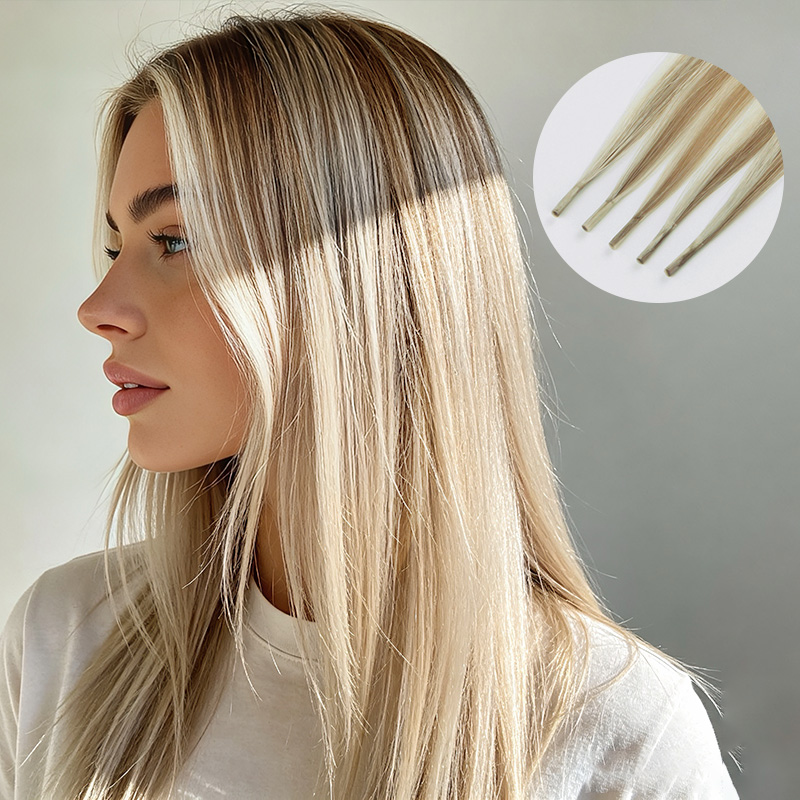
Scalp Prep Vs Hair Strand Prep: Know The Real Difference
What To Clean On Your Scalp
Your scalp naturally produces oil daily, which mixes with dead skin cells and styling products to clog pores and block extension bonds. Prep here means deep cleansing only—no heavy creams, no oils, no leave-ins.
Keeping your scalp at its natural healthy pH balance prevents irritation and ensures maximum grip for all extension types.
What To Nourish On Your Hair Lengths
While your scalp needs to stay clean, your actual hair lengths need moisture and strength, especially if damaged from heat or color.
Deep condition mid-lengths and ends only to add flexibility, prevent breakage, and keep your natural hair looking healthy once extensions are installed.
Common Beginner Hair Prep Mistakes To Avoid
Conditioning Too Close To The Scalp
It’s the most repeated mistake we see at our studio: beginners coating their entire head in conditioner, unaware it ruins extension hold completely.
One Reddit user from r/HaircareScience shared a relatable warning: “I conditioned my roots before tape-ins, and they all fell out in a week. Never again!”
Getting A Fresh Haircut Right Before Extensions
Fresh blunt hair ends poke through extension wefts, causing constant irritation and an unnatural bulky look. Always wait 1–2 weeks after a cut to book your extension appointment.
Showing Up With Dirty Or Unwashed Hair
Many beginners assume stylists will wash their hair for them—that’s not standard practice. Showing up with unwashed hair guarantees poor adhesion, itching, and early extension failure every single time.
How To Prep Different Hair Textures For Extensions
Prep For Straight Fine Hair
Prioritize strengthening over heavy moisture. Trim split ends, use a lightweight clarifying shampoo, skip all oils, and blow-dry roots fully dry for the best hold and protection.
Prep For Wavy Medium Hair
Balance natural moisture without overloading roots. Detangle gently, deep condition only the ends, and avoid over-cleansing that strips your natural wave texture.
Prep For Curly & Coarse Hair
Curly hair dries out easily, so add deep conditioning weekly leading up to your appointment. Detangle while damp, skip heat styling the week before, and keep scalp completely clean and product-free.
Pre-Extension Hair Care Timeline: 1 Week Before Your Appointment
| Days Before | Key Tasks |
|---|---|
| 7 | Trim split ends; stop chemical treatments |
| 5 | Deep condition (avoid roots) |
| 3 | Clarifying shampoo; avoid oils/leave-ins |
| 1 | Detangle; blow-dry completely dry |
| Day Of | No products; scalp sensitivity check |
FAQs: Natural Hair Preparation For First-Time Extension Wearers
How many days before extensions should I wash my hair?
Wash your hair with a professional clarifying shampoo 1 to 2 days before your extension appointment. This timing clears all styling product buildup, silicone residue, and excess scalp oil, without drying out your scalp or stripping natural protective oils needed for healthy hair.
Can I put oil in my hair before getting extensions?
You should never apply any hair oil, serum, or scalp treatment before extension installation. Even lightweight oils leave an invisible film on hair strands, which weakens tape-in and micro-link adhesion and causes premature slipping. Stay away from all oil-based products for 3 to 5 days ahead of time.
Should I trim my hair before tape-in or micro-link extensions?
Yes, getting a light trim roughly one week before your appointment is highly recommended. Trimming split ends strengthens weak hair shafts, reduces future breakage caused by extension weight, and keeps your natural hair neat and balanced underneath your new extensions.
Do I need to stop using dry shampoo before installation?
Definitely plan to stop using dry shampoo at least three days before your salon visit. Dry shampoo leaves fine powdery residue that regular shampoo struggles to fully remove, creating a barrier that ruins extension bonding and leads to early shedding and discomfort.
Final Pre-Salon Checklist For Beginners
✅ No dye/bleach for 2-3 weeks
✅ Clarifying shampoo used 1-2 days prior
✅ Split ends trimmed
✅ Deep conditioned (roots skipped)
✅ No oils/leave-ins/dry shampoo
✅ Hair fully dry
✅ Scalp sensitivity test passed
Proper prep is the invisible foundation of gorgeous, long-lasting extensions. As someone who’s helped thousands of beginners get their first set right, I can tell you this: the time you spend prepping now saves you from damage, wasted money, and frustration later. Follow these steps, and your extensions will look flawless, stay secure, and keep your natural hair healthy.
For a complete guide on this topic, explore our [Hair Extensions 101: The Ultimate Beginner’s Guide]