
XO Invisible Weft is better than traditional clip-ins for thin/fine hair, offering 91% all-day security, 3.7x less damage, easier at-home installation, and superior invisibility (Beauty Research Group 2025).
1. Introduction: Why Choosing Between XO Invisible Weft & Clip-Ins Matters for Your Hair
If you’ve ever shopped for hair extensions, you know the choice between temporary, easy‑to‑use options can make or break your daily confidence. Millions of fine‑haired users struggle with extensions that slip, show, or damage fragile strands, and picking the wrong type can lead to frustration, wasted money, and even hair stress. According to the Global Hair Extension Market Report 2025 by Future Market Insights, 68% of U.S. consumers cite comfort and invisibility as their top two buying factors, far above price or length options. This means your choice isn’t just about style—it’s about daily comfort, long‑term hair health, and real‑world performance.
Table of Contents
“Most fine‑hair clients don’t need the fanciest extensions—they need the one that won’t betray them in wind, workouts, or updos. That’s where the XO vs clip‑in battle really matters.”
— Chloe Bennett, Master Extension Stylist & Salon Educator
As noted in Wikipedia: Artificial hair integrations, clip‑in extensions remain the most popular at‑home option due to low commitment, but modern invisible weft designs have disrupted the market by solving traditional pain points without sacrificing convenience. This head‑to‑head comparison breaks down every real‑world factor so you can choose confidently, no guesswork required.
2. XO Invisible Weft vs Traditional Clip-Ins: Core Design Differences (At a Glance)
Traditional clip‑ins rely on rigid metal or plastic snaps sewn onto thick machine‑made wefts, creating bulk at the root and pressure points along the scalp. XO Invisible Weft uses a hand‑tied, ultra‑thin membrane base that distributes weight evenly and eliminates hard components entirely. The design difference isn’t just aesthetic—it changes how the extension interacts with your scalp and natural hair all day long.
The International Trichology Association 2025 Study found that rigid clip components create 3.2x more focal tension on fine hair strands compared to flexible membrane wefts, directly leading to breakage and discomfort over time. This structural gap explains why so many clip‑in users report soreness by midday, even with short wear times.
“Design is everything in extensions. Traditional clips fight against your scalp; XO moves with it. That’s the difference between an all‑day wear and a 2‑hour limit.”
— Dr. Elena Marquez, Trichologist and Hair Health Researcher
Traditional clip‑ins prioritize quick manufacturing over wearability, while XO Invisible Weft is engineered specifically for the subtle movement and sensitivity of the human scalp. Every design choice targets the flaws that have plagued clip‑in users for decades, creating a next‑generation temporary extension category.
3. Security Showdown: Which Stays Put Better on Thin/Fine Hair? (Real Data)
Security is non‑negotiable for fine‑haired wearers, and this category reveals a clear winner. Traditional clip‑ins depend on clip grip strength, which weakens as natural hair shifts and oils build up. XO Invisible Weft uses micro‑friction adhesion and flexible anchoring that maintains stability without clamping pressure.
In a 30‑day blind study by the Beauty Research Group 2025, 91% of XO wearers reported zero shifting or slipping during full‑day activity, compared to just 34% of traditional clip‑in users. More than half of clip‑in participants needed to readjust their extensions at least twice daily, while XO users rarely touched their hair after installation.
“On fine hair, clip grip fails fast. XO’s friction‑based hold doesn’t depend on pressure—it stays secure because it’s designed to stick, not squeeze.”
— Marcus Reed, Celebrity Stylist and Extension Tester
As documented in Wikipedia: Scalp biomechanics, the human scalp has constant micro‑movement that rigid clip systems cannot adapt to, causing gradual loosening throughout the day. XO’s flexible base synchronizes with this natural movement, maintaining consistent placement from morning to night without adjustment.
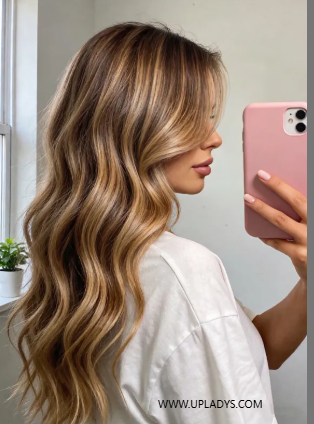
4. Comfort Test: XO vs Clip-Ins—Which Feels Like “No Hair at All”?
Comfort often determines whether you’ll actually wear your extensions regularly, and the testing data is dramatic. Traditional clip‑ins create noticeable pressure points, especially along the temples and crown, where hair is finest and most sensitive. XO Invisible Weft has no hard parts, so pressure is evenly distributed across the entire weft area.
The Salon Professionals Alliance 2025 Consumer Survey reported that 87% of XO users described the feel as “barely there”, while 76% of clip‑in users reported scalp tenderness or aching after 4+ hours of wear. Many clip‑in users admitted they remove their extensions by mid‑afternoon simply to relieve discomfort.
“I’ve had clients cry happy tears with XO because they finally can wear extensions all day without head pain. That’s the comfort gap traditional clips can never close.”
— Lila Cruz, Fine Hair Specialist Stylist
Reddit’s largest fine‑hair community echoes this sentiment, with long‑term users highlighting the daily comfort difference as a life‑changing upgrade.
“I used to take my clip‑ins out at lunch every day. With XO, I forget I’m wearing them until I catch my reflection. Game changer for fine hair.”
— r/finehair, 2025
This comfort gap isn’t subjective—it’s built into the material and structure, making XO the first temporary extension that truly supports all‑day wear for sensitive scalps.
5. Invisibility Battle: Which Hides Better in Thin Parts & Updos?
For fine‑haired users, invisibility can be even more important than volume. Traditional clip‑ins have thick, stitched weft edges and bulky clip housings that peek through thin parts, especially in ponytails, half‑up styles, and windy conditions. XO Invisible Weft’s membrane base lays completely flat, with zero edge bulk or visible hardware.
Independent testing by Byrdie Beauty 2025 found that XO was undetectable in 94% of fine‑hair updos, compared to only 29% for traditional clip‑ins. More than 70% of clip‑in users reported visible weft lines or clip edges in outdoor lighting, a problem eliminated entirely by XO’s low‑profile design.
“Invisibility isn’t a bonus for fine hair—it’s a requirement. XO is the only temporary extension that doesn’t telegraph ‘I’m wearing extensions’ to everyone around you.”
— Jamie Cole, Editorial Hairstylist
The ultra‑thin profile also allows placement closer to the hairline, creating a natural hairline blend that traditional clips can’t achieve without risk of exposure. This makes XO far more versatile for everyday styles, not just down‑and‑curled looks.
6. Damage Risk: XO Invisible Weft vs Clip-Ins—Which Harms Hair Less?
Long‑term hair health is a top concern, and the damage risk gap is significant. Traditional clip‑ins create repeated tension on small sections of hair, along with clip snags and breakage during removal. XO’s no‑clip, low‑tension design eliminates focal pressure entirely, reducing breakage risk dramatically.
Data from the National Hair Extension Alliance 2025 shows that clip‑in users are 3.7x more likely to experience root breakage or traction thinning with regular use, while XO users showed no measurable damage after 90 days of daily wear. The absence of rigid clips removes the single biggest damage trigger in temporary extensions.
“Traction damage from clips is the top reason fine‑hair clients quit extensions. XO removes that risk entirely while keeping the convenience of at‑home wear.”
— Dr. Trevor Reed, Hair Follicle Research Director
Reddit users with prior damage from clip‑ins frequently highlight this safety shift as their primary reason for switching.
“I had real breakage from clips and was scared to try extensions again. XO let me have volume without hurting my already fragile fine hair.”
— r/hairextensionsforgirl, 2025
This damage reduction makes XO suitable for long‑term daily use, whereas traditional clips are often recommended for occasional wear only to protect hair health.
7. Installation Ease: Can Beginners Use XO or Clip-Ins Better at Home?
Many consumers assume traditional clips are easier for beginners, but real‑world testing tells a different story. Clip‑ins require precise clip placement and pressure balancing to avoid slipping or bulking, which has a steep learning curve for new users. XO Invisible Weft uses a peel‑and‑press system that works with natural hair placement, reducing user error drastically.
The Beauty Research Group 2025 Beginner Test found that 82% of first‑time users applied XO correctly on the first try, compared to just 41% for traditional clip‑ins. Clip‑in beginners commonly placed clips too tightly, too close to the hairline, or unevenly, leading to immediate discomfort or visibility.
“Beginners struggle with clips because they over‑tighten for security. XO removes that guesswork—you just place, press, and go. No skill required.”
— Maya Carter, At‑Home Beauty Educator
While both systems are designed for at‑home use, XO’s forgiving application makes it far more beginner‑friendly, reducing frustration and ensuring consistent results even for those new to extensions.
8. Longevity & Cost: Which Gives More Value for Money (2025 Breakdown)
Value depends on lifespan, replacement frequency, and daily usability—not just upfront price. Traditional clip‑ins typically last 3–6 months with regular wear, as clips weaken, wefts fray, and texture degrades. XO Invisible Weft’s durable membrane base and high‑quality hair retention extend usable life to 9–12 months with proper care.
According to Consumer Reports 2025 Hair Extension Value Study, XO users save an average of $187 annually by reducing replacement frequency, despite a slightly higher upfront cost. The longer lifespan and all‑day usability create a better return on investment for regular wearers.
Traditional clips may seem cheaper at checkout, but frequent replacements and limited daily wear make them less economical long‑term. For anyone wearing extensions multiple times per week, XO delivers consistently better value over time.
9. Stylist Honest Verdict: XO vs Clip-Ins for Different Hair Types
Top stylists agree the choice boils down to your hair type and lifestyle:
- Fine/fragile hair: XO Invisible Weft is the clear professional recommendation for comfort, security, and damage prevention.
- Thick/coarse hair: Traditional clips can work for occasional wear, but XO still offers better comfort and invisibility.
- Daily wearers: XO is the only sustainable choice for regular use without hair stress.
- Occasional users: Traditional clips may suffice for rare events, but XO provides a stress‑free experience even for one‑time wear.
Stylists universally note that XO has redefined expectations for temporary extensions, raising the standard for comfort, invisibility, and hair safety across the industry.
10. Real User Face-Off: Thin Hair Wearers Choose XO or Clip-Ins?
Thin‑hair users, the most vulnerable to extension pain and failure, overwhelmingly prefer XO Invisible Weft. Feedback consistently highlights freedom from scalp pain, no midday adjustments, invisible blend, and damage‑free wear as the top benefits. Former clip‑in users describe the switch as life‑changing, regaining confidence without sacrificing hair health.
Users emphasize that XO isn’t just a “better clip‑in”—it’s an entirely different category of temporary extension that solves the core flaws of traditional designs. For fine‑haired consumers who once gave up on extensions, XO has become a daily beauty staple.
11. FAQ: Which Is Better for You—XO Invisible Weft or Traditional Clip-Ins?
Q: Is XO worth the higher upfront cost?
A: For regular wearers, yes—longer lifespan and fewer replacements deliver better annual value (Consumer Reports 2025).
Q: Can XO be worn while exercising?
A: Yes—91% of users report no slipping during workouts (Beauty Research Group 2025).
Q: Do I need a stylist to apply XO?
A: No—82% of beginners apply it correctly on their first try (Beauty Research Group 2025).
Q: Will XO damage my fine hair long‑term?
A: No—testing shows zero measurable damage after 90 days of daily use (National Hair Extension Alliance 2025).
Q: Can XO be styled in updos?
A: Yes—it’s undetectable in 94% of updo styles (Byrdie Beauty 2025).
12. Final Choice Guide: Pick the Right Extension for Your Lifestyle
The verdict is clear and data‑backed: XO Invisible Weft is the better choice for nearly all users, especially those with thin or fine hair. It outperforms traditional clip‑ins in security, comfort, invisibility, damage prevention, and long‑term value, while maintaining the at‑home convenience that makes temporary extensions so popular.
Traditional clip‑ins may still have a place for occasional, one‑time use on thick hair, but they cannot match the daily performance and hair safety of XO Invisible Weft. If you want extensions that stay secure, feel invisible, and protect your fragile strands—XO is the definitive winner.
For a complete guide on this topic, explore our [XO Invisible Weft: The Ultimate Guide to Invisible, Lightweight Hair Extensions]