
Nowadays, hair coloring is an affordable way for people to showcase their fashion sense and enhance their overall appearance. Whether you’re looking to try hair dye for the first time or you’re a regular at coloring your hair, this guide is for you.
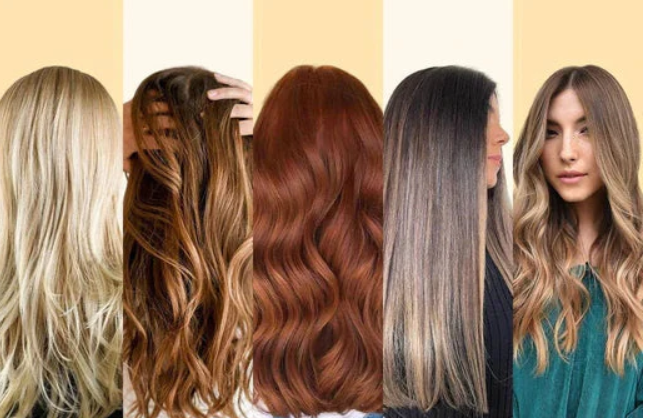
Are you torn about which hair color to choose?
Do you know the professional steps involved in hair coloring?
What kind of hair dye products are both healthy and effective to use?
How should you remedy and handle common unexpected issues that crop up during the hair coloring process?
And do you know the tricks to prevent your hair from becoming dry and brittle after dyeing?
Do You Really Know How to Change Hair Colors
If you want to rock a gorgeous hair color while keeping your locks healthy and strong, keep reading(Better Understanding of Hair Structure to Retain Healthy Hair). This article will give you a comprehensive and detailed breakdown of all things related to hair coloring, covering the fundamental principles of hair dyeing, how to select the right type of hair dye, the complete professional hair coloring process, safety and health considerations, tips for choosing hair colors and achieving the desired effects, as well as practical solutions for dealing with common mishaps that may occur during the process.
You can rest assured that this guide is a tailor-made hair coloring manual crafted just for you, answering all your burning questions and equipping you with all the knowledge you need for a successful hair coloring experience.
Basic Principles of Hair Coloring
NO.1 Breakdown of Hair Structure
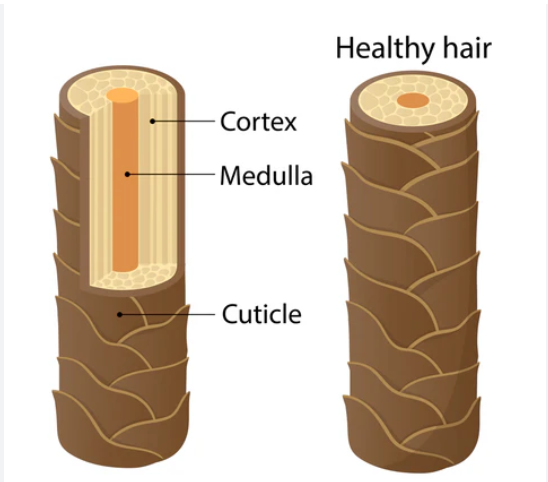
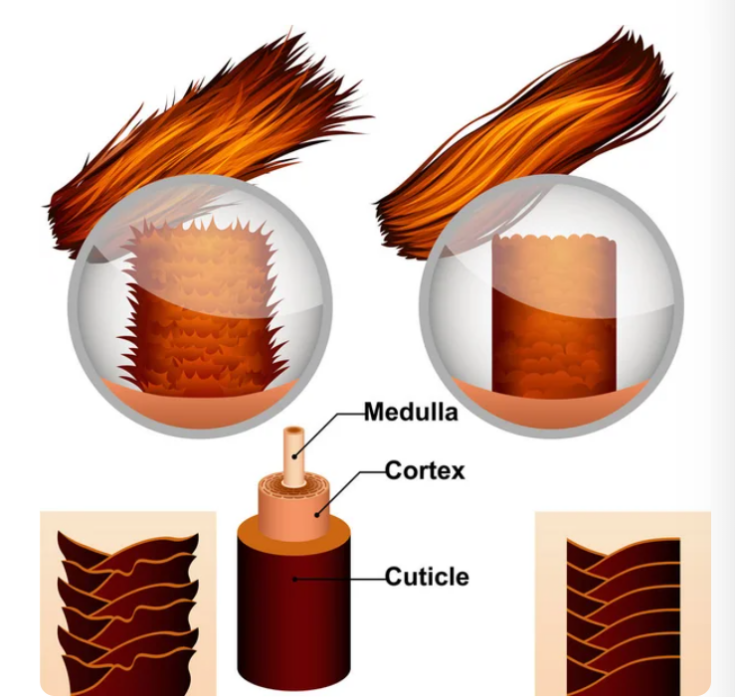
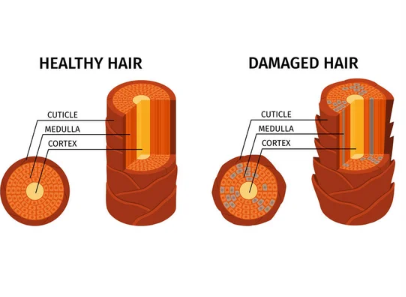
1. Cuticle Layer:
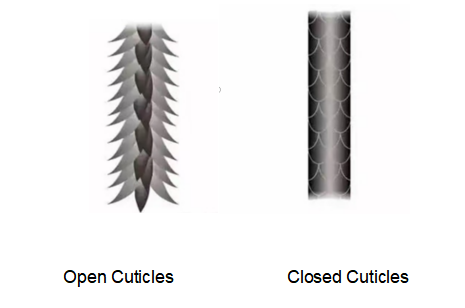
The outermost layer of the hair, composed of transparent keratin cells arranged in an overlapping, shingle-like pattern. Its primary role is to protect the inner structures of the hair shaft. For hair dye to work effectively, it must first lift the cuticle scales to penetrate the cortex layer beneath.
So Top quality hair (Tape in Hair) must have cuticles attached.
2. Cortex Layer:
Making up 80–90% of the hair’s volume, this layer contains melanin granules (eumelanin and pheomelanin) as well as keratin fibers. This is where the key chemical reactions of hair coloring take place, either altering the distribution of existing pigments or synthesizing new ones to create the desired shade.
3. Medulla Layer:
A porous structure found only in some thicker hair strands. While it has minimal direct impact on the coloring process itself, it can influence the overall volume and shine of the hair after dyeing.
NO.2 The basic principles of hair color change
1.Pigment Layering Principle
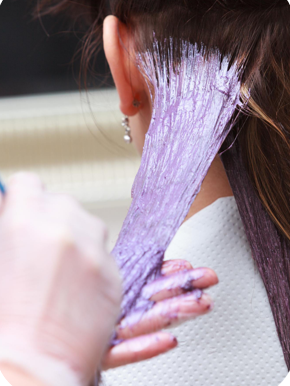
The dye molecules in hair color products bond with the natural pigments in your hair. They create your desired shade either by neutralizing unwanted tones with complementary colors or by simply covering up the original hair color. For example, blue-based dyes are great for canceling out brassy orange hues in your hair strands.
2. Redox Reaction
Permanent hair dyes use oxidizing agents like hydrogen peroxide to break down the natural melanin in hair. At the same time, these agents trigger a reaction that makes artificial pigment precursors, such as paraphenylenediamine, link together to form large pigment molecules. This process locks the new color deep inside the hair, making the dye job long-lasting.
3. Temporary and Semi-Permanent Coloring
Acidic dyes or direct dyes only stick to the outer surface of the hair cuticles. They attach to the hair through ionic bonds or hydrogen bonds, and will gradually fade away with each shampoo wash. This type of coloring doesn’t alter the inner structure of your hair at all, so it’s a gentle option for changing your look temporarily.
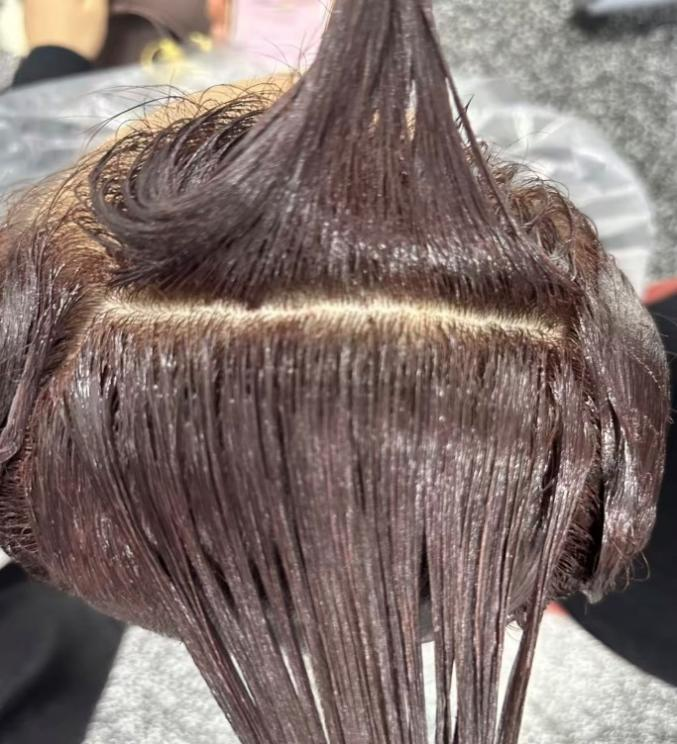
NO.3 Chemical Reaction Process
1. Effect of Alkaline Environment
Alkaline ingredients like ammonia or MEA make the hair cuticles swell open, raising the hair’s pH level to between 9 and 11. This swelling helps the hair dye seep deep into the hair shaft easily and also activates the bonding sites on the keratin proteins, getting the hair ready for the coloring reaction.
2. Hydrogen Peroxide Breakdown Stage
Hydrogen peroxide works to break down the hair’s natural melanin pigments, and as it does this, it releases oxygen atoms. These oxygen atoms react with the dye intermediates, such as couplers and color developers, and oxidize them to form large, colored molecules. This is the key step that brings the desired hair color to life.
3. Neutralization and Setting Stage
Using an acidic hair conditioner after dyeing closes the swollen hair cuticles back up tightly. This locks the newly formed color molecules firmly inside the hair, and it also repairs the surface damage to the hair caused by the dyeing process. In the end, your hair becomes stronger and shinier after this step.
Types of Hair Dye
NO.1 Permanent Hair Dye
1.Oxidation Color Development Mechanism
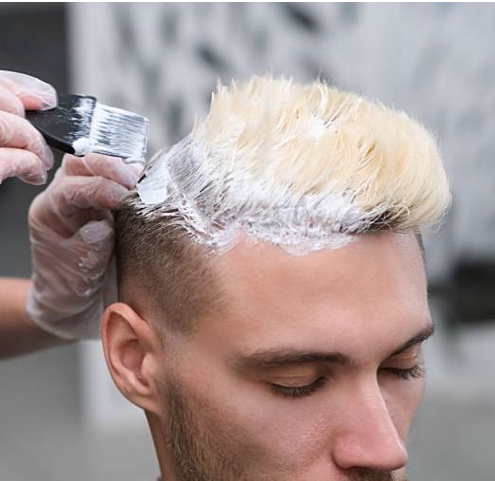
Permanent hair dye leverages dye precursors like paraphenylenediamine and aminophenol, which undergo an oxidation reaction with hydrogen peroxide to form stable pigment molecules deep within the hair cortex, delivering long-lasting color results.
2.Excellent Gray CoverageBecause the dye molecules penetrate and bind to the inner structure of the hair shaft, permanent dye effectively covers gray hair, with color typically lasting 6–8 weeks or even longer. It’s ideal for those seeking a long-term hair color commitment.
3.Professional Application Recommended
These dyes contain strong oxidizing agents such as hydrogen peroxide, so a skin patch test is mandatory before use to prevent allergic reactions. For optimal results and minimal hair damage, application by a professional hairstylist is advised.
NO.2 Semi-Permanent Hair Dye
1.Non-Oxidative Coloring Principle
Semi-permanent dye uses pre-formed acidic or direct dyes that adhere to the hair’s surface through physical adsorption, requiring no hydrogen peroxide and causing less damage to the hair.2.Short-Term Color Retention
2.Short-Term Color Retention
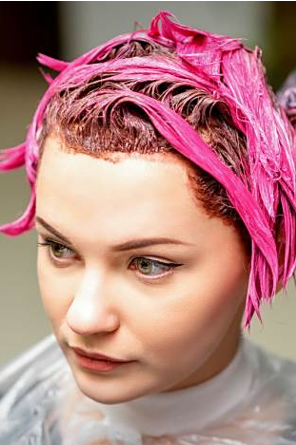
The color lasts through 6–12 washes, making it perfect for anyone wanting to experiment with a new shade without a long-term commitment, or for enhancing the shine and dimension of their existing hair color.
3. Gentle for Sensitive Scalps
The mild formula is free of ammonia and hydrogen peroxide, making it a safe choice for those with sensitive scalps, pregnant individuals, or anyone looking for a low-risk temporary color option.
NO.3 Temporary Hair Dye
1.Surface Adhesion Technology
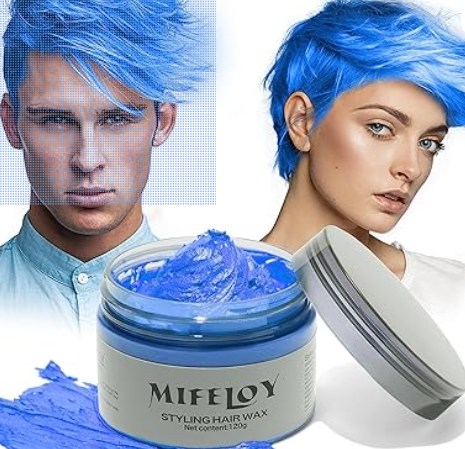
Temporary dye uses charge attraction or film-forming agents like PVP to bind pigments to the hair’s surface, with color lasting only 1–2 washes. It’s ideal for stage performances or one-time event looks.
2.No Chemical Penetration
Since it does not penetrate the hair cuticle, it causes no damage to the hair structure. You can change colors as often as you like, though the color may rub off or fade due to sweat and friction.
3.Versatile FormatsAvailable in sprays, waxes, color gels, and more, it’s easy to apply on the go. Just be careful to avoid contact with clothing or skin, as it can leave temporary stains.
Hair Coloring Application Process
NO.1 Step-by-Step Application Guide
DO’S AND DON’TS FOR COLOR DYEING
1.Dye Mixing & Ratio Control
Follow the product instructions exactly to mix the hair dye and developer (common ratios are 1:1 or 1:2). Adjust the concentration based on how light or dark you want your final color to be, to avoid uneven results or extra damage to your hair.
2.Sectional Application Technique
Start applying the dye from the bottom layers at the back of your neck. Focus first on new growth and your roots, then work your way down to the ends. Use a zigzag brush or comb to make sure every strand is fully covered.
3. Timing & Temperature Management
Leave the dye on for 20–40 minutes, depending on your hair type and desired color. Stay away from hot environments, as heat speeds up oxidation. Check how the color is developing regularly to prevent over-coloring or uneven results.
NO.2 Post-Treatment & Maintenance
1.Post-Dye Cleansing & Neutralization
Rinse your hair with lukewarm water using a color-protecting shampoo until the water runs clear. Use an acidic neutralizer to close your hair cuticles, which locks in the color and stops it from fading quickly.
2. Deep Conditioning & Repair
Use a hair mask with keratin or amino acids to fix the structural damage caused by dyeing. Do this 1–2 times a week at home to keep your hair soft and shiny.
3. Color Protection & Sun Care Tips
Use an UV-protective hair spray to shield your color from the sun and chlorine in swimming pools. Avoid using hot styling tools too often, as heat makes color fade faster.
Safety & Health
NO.1 Skin Patch Test Methods
1. Behind-the-Ear or Inner Arm Test
Apply a small amount of dye behind your ear or on the inside of your arm. Wait 48 hours and watch for redness, itching, or a burning feeling—this will tell you if you’re allergic.
2. Sectional Application Observation
Apply the dye in thin layers along your hairline or a hidden spot on your neck. Check your skin’s reaction over time to make sure the test area matches how your scalp will react.
3. Ingredient Cross-Check
If you’ve had an allergic reaction to certain chemicals before, check the dye’s ingredient list. Avoid products with those same chemicals, and choose plant-based or hypoallergenic dyes when possible.
NO.2 Common Risk Prevention
1.Scalp Barrier Protection
Don’t wash your hair 24 hours before dyeing—your natural oils will act as a barrier against harsh chemicals. Apply petroleum jelly or a professional barrier cream along your hairline and ears to protect your skin.
2.Dye Concentration Control
If you’re dyeing your hair for the first time, use a low-volume developer (like 6% hydrogen peroxide). This is gentler on your hair’s keratin and reduces the risk of breakage or cuticle damage.
3.Well-Ventilated Space
Always dye your hair in a room with good air flow to avoid breathing in ammonia fumes, which can irritate your throat. If needed, wear a mask or use ammonia-free dye.
Color Selection and Results
NO.1 Skin Tone Matching Principles
1.For Cool Skin Tones
If your skin has a pink or blue undertone (you can check your veins—they’ll look blue), cool hair colors like platinum blonde, ash brown, or blue-black are perfect. They cancel out redness in your skin and make your whole look more polished.
2. For Warm Skin Tones
If your skin has a yellow or golden undertone (your veins will look green), warm shades like caramel brown, honey blonde, or copper red work best. They brighten your face and make your skin look less dull.
3. For Neutral Skin Tones
If your veins look a mix of blue and green, you can pull off almost any color. Just stay away from super extreme shades. Safe, flattering choices are natural dark brown or mocha.
4. Fixing Skin Tone Issues
If your skin is red or dull, try a cool ash blonde or deep chocolate to balance it out. If your skin is pale, warm it up with rose gold or chestnut to add some life.
NO.2 Popular Hair Color Trends(Genius Weft Extensions)
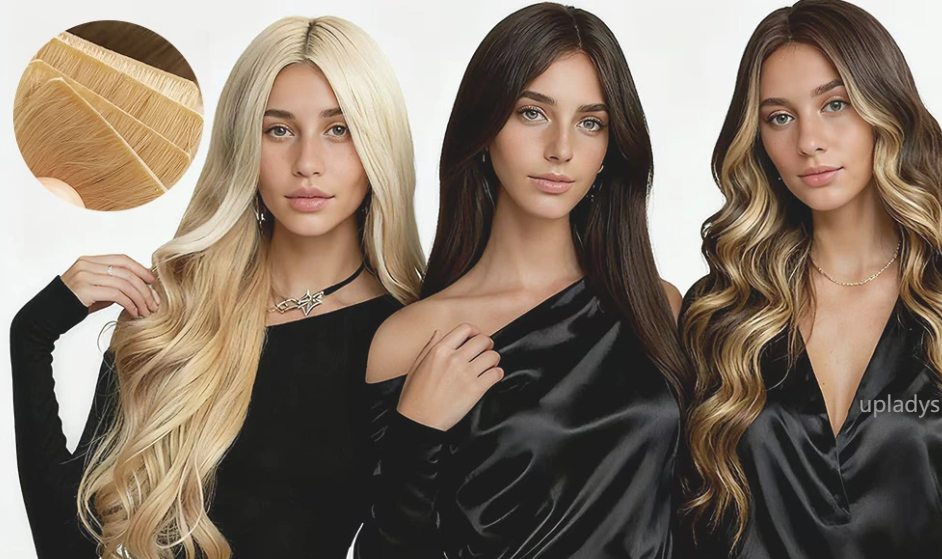
1. Low-Saturation Colors
Soft, muted shades like haze blue and smoky purple are super popular right now. The gray undertones make them less bold, so they’re great if you want to stand out without being too loud.
2. Gradient Highlights
Techniques like Balayage or Ombré blend light and dark shades naturally, giving your hair depth. They look amazing on long hair or layered styles.
3. Natural-Looking Shades
More people are choosing colors that look like their natural hair, such as dark brown or deep chestnut. These are easy to wear every day and keep your hair looking healthy.
4. Spot Highlights
Highlights just around your ears or on your bangs create a fun focal point without coloring your whole head. Perfect if you want to try a bright shade but don’t want a full commitment.
NO.3 What Makes Color Last Longer?
1.Hair Texture Matters
Thick, coarse hair holds color longer because the outer layer (cuticle) is tight. Fine hair gets color fast but fades quickly—use gentle, acidic dyes or color-protecting treatments to help it last.
2. Type of Dye
Semi-permanent dye sits on top of your hair and washes out after 6–8 shampoos. Permanent dye changes the color inside your hair and can last 2–3 months.
3.Washing Habits
Shampoos with sulfates make color fade faster. Use a color-protecting shampoo and lukewarm water, and rinse your hair right after swimming to get rid of chlorine or salt.
4. Sun and Heat Damage
Sunlight fades color, so use a hair sunscreen spray. Hot tools like curling irons break down color molecules—keep the heat below 160°C (320°F) to protect your shade.
FAQs & Quick Fixes
NO.1 How Often Should You Dye Your Hair?
1. Healthy Hair Schedule
Wait at least 6–8 weeks between dye jobs to keep your hair from getting dry or breaking. After coloring, use a deep conditioner with keratin to repair your hair.
2. Root Touch-Ups vs. Full Dye
When your roots grow out more than 3cm, just touch up the roots. Full dye jobs need longer breaks to avoid color buildup and uneven results. Make sure the new color blends smoothly with your old one.
3. Special Care for Light Colors
Bleaching or going blonde damages your hair more—wait 10–12 weeks before doing it again. Use purple shampoo to keep brassy tones away and get Olaplex treatments to fix hair damage.
NO.2 Fixing Common Mistakes
1. Color Too Dark?
Wash your hair a few times with a gentle clarifying shampoo (or one with vitamin C) to fade the color faster. If you need it fixed right away, a stylist can use a mild peroxide with warm tones to lighten it.
2.Uneven Color?
Apply a hydrating serum to the spotty areas to soften the color, then cover it with your target shade. Use a fine-tooth comb to touch up small areas, then blow-dry on low heat to avoid more damage.
3. Allergic Reaction?
Stop using the dye immediately and rinse your scalp with cool salt water. Put on hydrocortisone cream to calm redness. If it’s bad, take an allergy pill. Always do a 48-hour test behind your ear before dyeing again.
4.Emergency Eye Flush Method
If hair dye gets in your eyes, rinse them with plenty of clean water for 15 minutes or more right away. Do not rub your eyes. See a doctor if your eyes still hurt badly afterward.
- Chemical Burn Relief
If your scalp burns or feels irritated, clean it with saline solution, then apply an antibacterial ointment to prevent infection. Go to the doctor if the pain or irritation doesn’t get better.
Pro Tip for health hair
If you dye your hair at home, always use professional-grade hair coloring tools! A negative ion hair dryer is a great choice for home use—it cuts down on heat damage to your hair.
This guide has covered everything you need to know about hair coloring in detail. Hope it helps you get the healthy, gorgeous hair you want! ✨