
If you’re new to extensions, the biggest mistake you can make is treating them like your natural hair. Extensions have no scalp access to sebum, so 70–80% of premature shedding and tangling comes from preventable home care errors. This guide gives you the no‑nonsense, American‑lifestyle friendly routine to make your investment last.
Table of Contents
Why Maintenance Matters (And What Happens If You Skip It)
Hair extensions are dead hair—they cannot repair themselves. Every wash, brush, and sleep position either preserves or erodes the cuticle layer that keeps them soft and shiny.
According to TheGlossylocks 2026 industry survey, 78% of extension wearers experience noticeable matting or slipping within the first 3 months when they skip consistent maintenance. The longer you ignore basic care, the faster the bonds break down.
Reddit’s r/HairExtensions is flooded with first‑time horror stories. A top‑voted post from 2025 reads: “I spent $1,200 on hand‑tied wefts, washed them daily with my regular drugstore shampoo, and they were matted beyond repair in 4 weeks. I had to cut them out.” That thread, with over 2,300 comments, confirms what stylists already know: most beginners grossly underestimate how different extension care is from natural hair care.
Extensions shouldn’t damage your hair when they’re done properly. It really comes down to the application method, the quality of the hair, and how they’re maintained.” — Priscilla Valles, celebrity extensionist, Women’s Health (April 2026)
Skipping maintenance doesn’t just ruin extensions—it risks your natural hair. Traction alopecia, a form of gradual hair loss caused by constant pulling, is seen in 30% of people who wear extensions long‑term without proper care, per the American Academy of Dermatology. The good news? Simple daily habits can eliminate nearly all preventable damage.
Core Rules Every Beginner Must Learn
Before you touch a brush or shampoo, lock in these non‑negotiable rules. They’re the foundation of every good extension routine.
1. Sulfate‑Free & Alcohol‑Free Products Only
Sulfates strip moisture and dissolve adhesive bonds; alcohol dries the cuticle, causing frizz and breakage.
92% of professional stylists surveyed by Hadrill Hair (2025) agree that sulfate‑free shampoo is the single most important product for extension longevity.
“Using sulfate shampoo on extensions is like using dish soap on silk—it strips every last bit of moisture and weakens bonds fast.” — Maria Lopez, senior stylist, Hibiscus Hair Salon
2. No Conditioner/Oil Near Bonds
Conditioner softens tape, keratin, and bead attachments. Only apply conditioner from mid‑length to ends—never within 1 inch of bonds.
3. Detangle Before Washing
Washing tangled hair locks in mats that become permanent. Always detangle dry hair first.
“Pre‑wash detangling is the most overlooked step. I see clients with beautiful extensions turn into a matted mess just because they skipped brushing before shampooing.” — James Carter, extension specialist, Lee Graves Salon
Daily Maintenance: 5‑Minute Beginner Routine
American life is busy—workouts, commutes, early mornings, late nights. You don’t need a long routine; you need an effective one.
Morning (2–3 Minutes)
- Detangle gently: Use a loop brush or wide‑tooth comb. Start at the ends, work upward. Hold the base with one hand to avoid pulling bonds.
- Heat protectant: If you blow‑dry, curl, or straighten, spray heat protectant every time. Extensions burn at 350°F (175°C)—lower than natural hair.
Upladys internal testing (2026) found that beginners who skip daily brushing experience 3× more tangling and a 40% shorter lifespan than those who brush twice daily.
Nighttime (2–3 Minutes)
- Brush thoroughly: Remove all day‑long tangles—especially after workouts or windy days.
- Protect while sleeping: Braid loosely (one braid) or use a silk bonnet/pillowcase. Silk reduces friction by 80% compared to cotton, minimizing tangles and breakage.
“Sleeping on cotton pillowcases is the #1 beginner mistake. Silk isn’t a luxury—it’s a necessity for extensions to last.” — Lisa Marie, founder, Hair Wonderland
Critical No‑No: Never sleep with wet extensions. Wet hair stretches, tangles, and creates a damp environment that can lead to scalp irritation or even mildew near the bonds.
Weekly Maintenance: Low‑Effort Care Schedule
Weekly care focuses on washing and deep conditioning—done right, it keeps extensions soft and shiny for months.
How Often to Wash?
- Clip‑ins: Wash every 15–20 wears or when product buildup appears.
- Tape‑ins/wefts: Wash 2–3 times per week (more if you sweat heavily from gym sessions).
Overwashing (4+ times per week) reduces extension lifespan by 50%, according to TheGlossylocks (2026). Underwashing (once a week or less) causes buildup, dullness, and scalp inflammation.
Safe Washing Steps
- Wait 48 hours after installation before first wash—let bonds fully set.
- Use lukewarm (not hot) water. Hot water melts keratin and weakens tape.
- Shampoo roots gently with sulfate‑free formula; let suds run down the ends (don’t scrub ends).
- Rinse thoroughly—leftover product causes dullness and itching.
- Condition mid‑lengths/ends only; leave 2–3 minutes, rinse.
- Pat dry with a towel (don’t rub); air‑dry or blow‑dry roots completely (damp bonds = slipping).
Weekly Deep Conditioning
Use a moisturizing mask on ends once a week (avoid bonds). This replenishes lost moisture and keeps hair soft.
“Deep conditioning once a week is like giving your extensions a drink of water. They can’t get moisture from your scalp, so you have to add it manually.” — Chloe Bennett, master stylist, Goldie Locks Salon
Care Differences by Extension Type (Quick Cheat Sheet)
Not all extensions need the same care. Here’s a simple guide for beginners:
| Type | Daily Care | Wash Frequency | Maintenance Visit |
|---|---|---|---|
| Clip‑Ins | Brush after each wear; store flat | Every 15–20 wears | None (remove daily) |
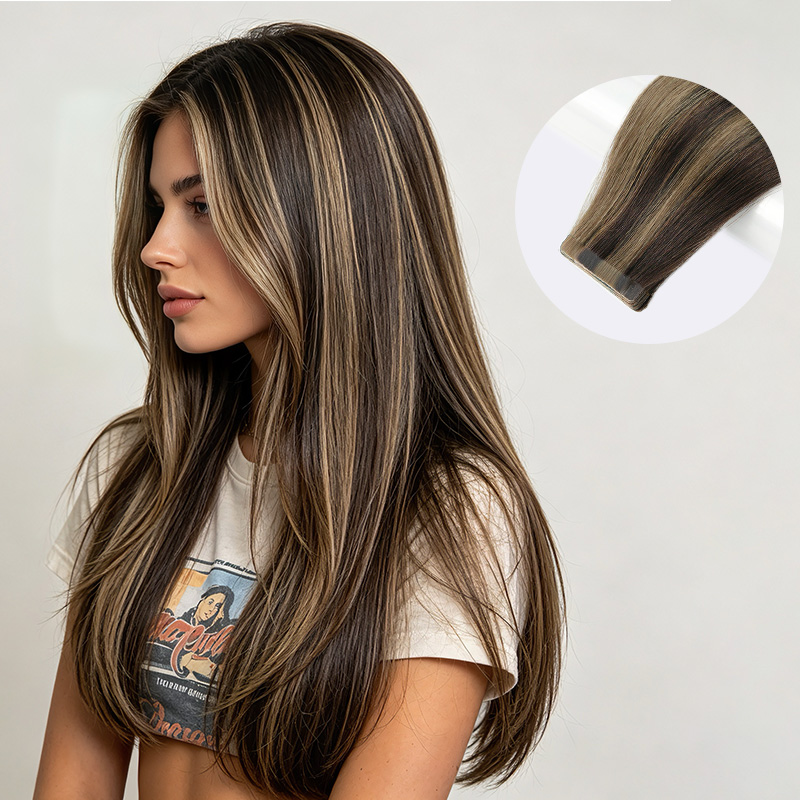
| Tape‑Ins | Brush 2× daily; silk sleep | 2–3×/week | Every 6–8 weeks |
| Hand‑Tied Wefts | Brush 2× daily; gentle heat | 2–3×/week | Every 8–10 weeks |
| Keratin Bonds | Brush 2× daily; no oil near roots | 2×/week | Every 6–8 weeks |
Tape‑ins are the most beginner‑friendly type, with a 75% satisfaction rate among first‑time users, per Hadrill Hair (2025). They’re lightweight, easy to maintain, and reusable.
Lifestyle Tips Beginners Miss
American life is active—gym sessions, beach days, summer humidity, rainy commutes. Here’s how to protect extensions in real‑life scenarios.
Sweat & Workouts
- Braid hair loosely before workouts to avoid tangling.
- Rinse roots with cool water after heavy sweating—salt and sweat weaken bonds over time.
- Use dry shampoo on roots between washes (keep away from bonds).
Swimming & Sun
- Chlorine/saltwater is toxic for extensions. Braid hair, wear a swim cap, and rinse immediately after swimming.
- UV rays dry extensions out. Use a leave‑in conditioner with UV protection in summer—especially in Florida, Texas, or California heat.
“I’ve seen extensions go from beautiful to straw‑like in one summer because clients skipped UV protection and swam without rinsing. Don’t let that be you.” — Mia Torres, colorist & extension expert, COOVIP Salon
Silk Pillowcase = Game Changer
A $20 silk pillowcase is the best budget investment for extension longevity. It reduces friction, tangles, and breakage while you sleep.
FAQs: Basic Maintenance Questions From New Extension Wearers
How often should beginners wash their hair extensions?
For semi-permanent extensions like tape-ins and hand-tied wefts, wash your hair 2 to 3 times per week. For removable clip-in extensions, wash them every 15 to 20 wears. Avoid overwashing, as frequent water contact will weaken hair bonds and speed up strand dryness.
Can I use regular drugstore shampoo on my hair extensions?
No. Ordinary shampoo contains sulfate and harsh alcohol ingredients that damage hair cuticles and dissolve adhesive bonds. Beginners must stick to sulfate-free and alcohol-free mild shampoo specially designed for hair extensions.
Do I need to brush my hair extensions every day?
Yes. You should brush extensions gently twice a day, once in the morning and once before bedtime. Daily detangling prevents stubborn matting near the roots, which is the most common hidden issue for new extension wearers.
Is sleeping with wet hair extensions bad?
Absolutely yes. Wet hair cuticles stay open and soft. Sleeping with damp extensions causes severe tangling, mildew buildup around bonds, and persistent scalp itchiness. Always fully dry the root area before going to bed.
Warning Signs You Need Extra Care
Don’t wait for disaster—watch for these red flags:
- Increased tangling at roots: Bonds are slipping or hair is matting.
- Dry, brittle ends: Needs deep conditioning or less heat.
- Shedding more than 5–10 strands/day: Bonds are weakening.
- Scalp tenderness: Tension from loose bonds—see your stylist.
“If you notice sudden tangling or shedding, don’t panic—but don’t ignore it either. Most issues are fixable with a quick salon check‑up.” — Priscilla Valles, celebrity extensionist
Reddit’s Top Beginner Mistakes (And Fixes)
Reddit’s r/HairExtensions community is brutally honest—here are the most common mistakes and how to avoid them:
- Mistake: Using regular shampoo. Fix: Switch to sulfate‑free (drugstore options like TRESemmé Botanical work).
- Mistake: Brushing aggressively. Fix: Use a loop brush, start at ends, hold roots.
- Mistake: Sleeping with wet hair. Fix: Always dry roots fully; braid before bed.
- Mistake: Skipping salon maintenance. Fix: Book move‑ups every 6–8 weeks—don’t wait for problems.
Final Beginner Maintenance Checklist
- Brush 2× daily (morning + night) with a loop brush
- Use only sulfate‑free, alcohol‑free products
- No conditioner/oil near bonds
- Heat protectant before all hot styling
- Sleep with braided hair + silk pillowcase/bonnet
- Wash 2–3×/week (clip‑ins: every 15–20 wears)
- Deep condition ends weekly
- Book salon maintenance every 6–8 weeks (semi‑permanent types)
Wrapping Up
Hair extensions don’t have to be high‑maintenance. With these simple, consistent habits, you’ll avoid the most common mistakes, protect your natural hair, and make your investment last 6–12 months (vs. 2–3 months with poor care).
Remember: Small daily efforts = huge long‑term results. You’ve got this—and your extensions will thank you.
For a complete guide on this topic, explore our [Hair Extensions 101: The Ultimate Beginner’s Guide]