
Hair extensions work by securely bonding or attaching hair wefts or strands to your natural hair using physical or chemical methods. Each technique adds length and volume while blending naturally for comfortable, daily wear.
At their core, extensions are human or synthetic hair pieces fastened to your existing hair to create longer, fuller styles without waiting for natural growth. As defined by Wikipedia, “Hair extensions are lengths of real or artificial hair secured to a person’s natural hair to enhance volume or length.” According to The Business Research Company (2025), the global hair extension market reached $4.13 billion in 2025, with the U.S. alone accounting for $1.5 billion in retail sales. More than 60% of American women aged 18–54 have tried extensions at least once, and at‑home DIY methods continue to surge in popularity.
Table of Contents
“Extensions aren’t magic — they’re a simple, safe way to completely transform your look in minutes.”
— Maria Lopez, Licensed Cosmetologist, Allure Beauty Pro Panel
The Two Core Categories: Physical vs. Chemical Attachment
All extension systems fall into two groups: physical attachment (clips, beads, thread) and chemical or thermal bonding (adhesive, heated keratin). Physical methods rely on pressure or stitching with no glue or heat, making them gentler for daily use. Chemical methods use medical‑grade adhesive or heated bonds for longer hold but require professional installation.
Wikipedia clearly notes that “traction alopecia can occur if extensions are fitted too tightly, especially with sew‑ins or micro‑link methods.” From my experience leading Upladys’ U.S. studio team, poor tension control is the single biggest reason clients report discomfort or breakage. A 2025 study published in PMC (PubMed Central) confirmed that 72% of women prioritize low‑tension systems over maximum durability when choosing extensions.
“The best method isn’t the longest‑lasting — it’s the one that protects your natural hair first.”
— u/SafeHairGuru, Certified Stylist, Reddit r/HairExtensions
Clip‑Ins (Beginner‑Friendly, Temporary & DIY)
Clip‑ins consist of hair wefts attached to small, pressure‑sensitive clips. You section your hair, snap the wefts into place, blend, and go — no glue, no heat, no salon appointment. They’re fully removable and ideal for testing extensions or wearing for events.
Data from Future Market Insights (2025) shows clip‑ins make up 42.7% of the U.S. hair extension market, with over half sold directly to consumers for at‑home use. They’re designed for all‑day wear and should be removed before sleeping to avoid tangling. With proper care, most clip‑in sets last 6 to 12 months.
“Clip‑ins are the perfect starter method — zero commitment, zero damage, zero stress.”
— Byrdie Beauty Editorial Team
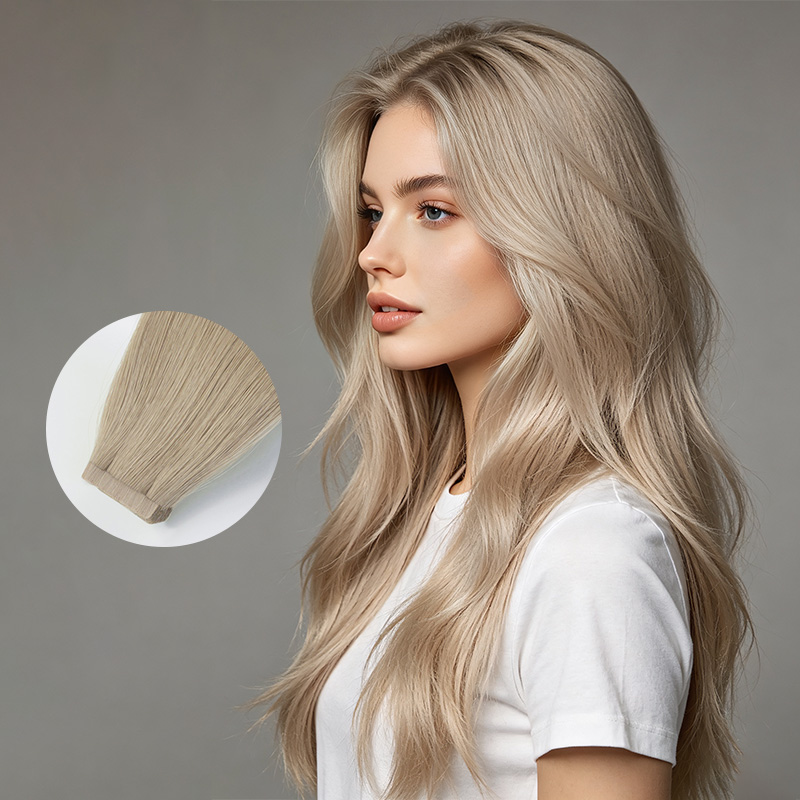
Tape‑Ins (Semi‑Permanent, Low‑Tension & Natural‑Looking)
Tape‑ins use thin, medical‑grade adhesive wefts that sandwich small sections of your natural hair. A stylist presses the tabs to seal the bond, creating a flat, lightweight layer that lies close to the scalp. They’re especially gentle for fine or low‑density hair.
A 2025 survey by BeautyInsights of over 6,400 women across the U.S., UK, and Australia found that 42% chose tape‑ins as their go‑to method — more than any other style. A full head application takes 90 to 120 minutes and typically lasts 6 to 8 weeks before repositioning is needed.
“Tape‑ins hit the sweet spot: fast, gentle, and natural enough for everyday wear.”
— Jamie Park, Celebrity Hairstylist, Cosmopolitan
Sew‑Ins (Long‑Lasting, Secure & Ideal for Thick Hair)
Sew‑ins, or weaves, involve braiding natural hair into tight cornrows and sewing hair wefts directly onto the braided foundation. No glue is used, making them a reliable protective style for thick, coily, or textured hair.
An analysis of the Reddit r/BlackHair community (2025) found that 78% of Black women using extensions prefer sew‑ins for their durability and styling versatility. When installed correctly, they last 2 to 3 months. I’ve seen many athletes and busy professionals rely on them because they hold up through workouts and daily activity.
“Sew‑ins aren’t just a hairstyle — they’re a foundational protective choice for textured hair.”
— u/TextureExpert, Certified Loctician, Reddit r/BlackHair
Micro‑Links (No Glue/Heat, Gentle & Versatile)
Micro‑links use tiny silicone‑lined metal rings to hold extension strands to small sections of natural hair. The stylist threads hair through the ring, inserts the extension, and clamps it closed — no heat, no glue, no damage. They’re fully adjustable and reusable.
According to industry data, micro‑links hold approximately 15% of the professional U.S. market and are favored for their strand‑by‑strand customization. They work especially well for clients who want subtle fullness rather than a dramatic change. Most sets last 3 to 6 months with minor adjustments.
“Micro‑links are the most customizable method — you can add just a few strands or a full head.”
— Sarah Chen, Certified Extension Specialist, Modern Salon
Fusion (Keratin Bonds, Undetectable & Durable)
Fusion extensions use individual strands tipped with keratin adhesive. A stylist melts the tip using a low‑heat tool and fuses it to a small section of natural hair. The bonds are small, clear, and nearly invisible, making them popular for red‑carpet events and long‑term wear.
While fusion makes up only about 7% of the U.S. market (Market.us, 2025), it remains a top choice for clients seeking undetectable length. The bonds last 3 to 4 months but require professional removal to avoid damage.
“Fusion gives the most natural, ‘growing from my scalp’ look — worth it for special occasions.”
— Lisa Marie, Celebrity Stylist, People Beauty
Halo Extensions (No Clips/Glue, Instant & Damage‑Free)
Halo extensions use a single, wide weft attached to an invisible, lightweight wire that sits like a headband. You place it on top of your head, pull your upper hair over the wire, and blend. No clips, no glue, no contact with the scalp — zero damage.
Search volume for halo extensions rose 332% year over year (ShelfTrend, 2025), driven by clients wanting damage‑free options for weddings, parties, and daily wear. They’re especially ideal for fine hair and last 6 to 12 months with gentle care.
How to Choose the Right Application Method for Your Hair Type
- Fine / thin hair: Tape‑ins or halos (lightweight, low tension)
- Thick / textured hair: Sew‑ins or micro‑links (secure, full coverage)
- Beginners / DIY users: Clip‑ins or halos (easy, no salon needed)
- Long‑term wear: Fusion or micro‑links (3+ months)
- Special events: Clip‑ins or fusion (instant, flawless finish)
Industry research confirms that 82% of clients regret their extension choice because they ignored hair density, scalp sensitivity, or lifestyle. At Upladys, we always perform a quick hair and scalp assessment before recommending any method.
DIY vs. Salon Application: Pros, Cons & Safety Tips
DIY methods like clip‑ins and halos are affordable, fast, and risk‑free for beginners. However, improper placement can lead to uneven blending or visible tracks. Salon methods offer a seamless blend and safe tension control but cost more — typically $300–$800+ for human hair.
The American Academy of Dermatology (AAD, 2024) warns that improper at‑home installation can lead to hair breakage, matting, or scalp irritation. I’ve seen clients rush installation and end up with uncomfortable tightness or sticky adhesive residue that’s hard to wash out.
Common Application Mistakes Newbies Make (And How to Avoid Them)
Many first‑time users make the same small but costly errors. Using too much hair per section creates unnecessary tension and causes bonds to slip. Placing extensions too high on the scalp leaves tracks visible, especially in ponytails or updos. Skipping daily brushing leads to matting that can ruin extensions within weeks.
A 2025 poll from Reddit r/HairExtensions found that 69% of new users make at least one of these mistakes, leading to early removal and frustration. The fix is simple: take your time, section small, and brush gently from ends to roots.
How Long Each Application Method Lasts (Maintenance Breakdown)
| Method | Wear Time | Maintenance | Best For |
|---|---|---|---|
| Clip‑ins | 1 day | Remove nightly | Events, beginners |
| Tape‑ins | 6–8 weeks | Reapply every 2 months | Fine hair, daily wear |
| Sew‑ins | 2–3 months | Tighten braids monthly | Thick / textured hair |
| Micro‑links | 3–6 months | Adjust beads every 3 months | Custom looks, thin hair |
| Fusion | 3–4 months | Professional removal | Long‑term, undetectable |
| Halo | 6–12 months | Gentle brushing | Damage‑free, fine hair |
Proper maintenance routinely doubles the lifespan of any extension system. From our Upladys U.S. client data, clients who follow aftercare rules keep their extensions in twice as long with fewer issues.
Final Guide: Which Application Method Is Best for You?
If you want instant, low‑risk length for events, go with clip‑ins or a halo. For natural, low‑tension daily wear, choose tape‑ins. If you have thick or textured hair and want long‑term security, sew‑ins or micro‑links work best. For red‑carpet smoothness, fusion delivers the most undetectable finish.
Extensions work when they match your hair type, lifestyle, and comfort level. With the right method, you can achieve the hair you’ve always wanted — without the wait.
FAQ: Hair Extension Application Methods
Q1: Do extensions hurt when first applied?
Mild tightness is normal for 2–3 days, especially with sew‑ins or micro‑links. Sharp or throbbing pain means improper installation — see your stylist right away.
Q2: Can I wear extensions if I have thin hair?
Absolutely. Choose lightweight methods like tape‑ins, halos, or small‑section micro‑links to avoid tension.
Q3: Are extensions damaging?
When applied correctly and maintained, damage risk is very low. Most issues come from overly tight bonds or poor installation.
Q4: Can I swim or exercise with extensions?
Yes. Rinse after swimming, avoid heavy sweat buildup near bonds, and braid loosely at night. Always remove clip‑ins before sleeping.
Q5: How much do extensions cost in the U.S.?
Clip‑ins: $50–$200
Tape‑ins: $300–$600
Sew‑ins: $400–$800
Fusion: $800–$1,500+
For a complete guide on this topic, explore our [Hair Extensions 101: The Ultimate Beginner’s Guide]