
Hair extensions are real or synthetic hair pieces attached to natural hair to add length, volume, or style quickly. They’re a popular, accessible beauty solution for beginners looking to transform their look without waiting for hair to grow.
Table of Contents
1. What Exactly Are Hair Extensions, Anyway?
If you’ve ever stared at someone’s thick, long hair and wondered if it’s real, you’ve probably encountered hair extensions. Put simply, hair extensions are separate pieces of hair—either human or synthetic—that are attached to your natural hair to add length, volume, color, or texture without waiting months or years for growth. According to Wikipedia, hair extensions are defined as “hairstyling elements made from real or artificial hair that are affixed to a person’s scalp to create the appearance of longer or fuller hair.”
The global hair extension industry is booming, especially in the U.S. Data from 360 Research Reports (2026) shows the worldwide hair extension and wig market reached $7.73 billion in 2025, with the United States accounting for roughly 24% of global demand. In fact, American consumers purchased over 21.6 million hair extension units in 2024 alone. A 2025 survey by the National Hair Association found that 63% of adult women in the U.S. have used hair extensions or wigs at least once, with 42% of women aged 25–40 buying extensions annually for cosmetic use.
“Extensions aren’t a luxury anymore—they’re a daily beauty tool that lets anyone change their look instantly.”
— Johnny Lavoy, celebrity hairstylist
2. A Quick History: How Hair Extensions Became Mainstream in the U.S.
Hair extensions date back thousands of years, long before modern salons and beauty brands. Ancient Egyptians used human hair, plant fibers, and wool as early as 3400 BCE, securing them with wax and resin for decoration and status. As noted by Wikipedia, modern hair extension technology began with Christina Jenkins, a Black American inventor who patented the “Hair-Weev” sewing method in 1951, laying the foundation for today’s systems.
Extensions moved from niche to mainstream in the U.S. during the 1970s disco era and exploded in popularity in the 2000s, fueled by red-carpet celebrities and social media influencers. A 2025 community analysis from Reddit r/beauty revealed that 89% of Gen Z and millennial Americans first learned about extensions from celebrities or social media content.
“I grew up thinking extensions were only for movie stars. Now they’re as common as lipstick.”
— u/GlowUpGirl23, Reddit r/beauty
3. The Main Two Categories: Human Hair vs. Synthetic Hair
For total beginners, the first big choice is between human hair and synthetic hair. Human hair extensions are made from donated, real human hair, offering a natural look, movement, and the ability to be curled, straightened, and colored just like your own hair. Synthetic extensions are made from man-made plastic fibers, pre-styled and more affordable, but unable to withstand heat tools.
According to market research from Beauty Insights Global (2025), human hair makes up 62% of the U.S. extension market, while synthetic hair holds 38%. Over 71% of first-time buyers choose human hair for its realistic appearance and longer lifespan, which often exceeds 12 months with proper care.
“Human hair blends like a second skin; synthetic hair looks pretty but feels less natural. For newbies, human hair is almost always worth the extra cost.”
— u/HairProExpert, Reddit r/HairExtensions moderator
4. Common Types of Hair Extensions Explained in Plain English
You don’t need a cosmetology license to understand the main extension types. Here’s the simple breakdown:
- Clip-ins: The most beginner-friendly option. Wefts with small clips that snap into your hair in 5–10 minutes, fully removable anytime.
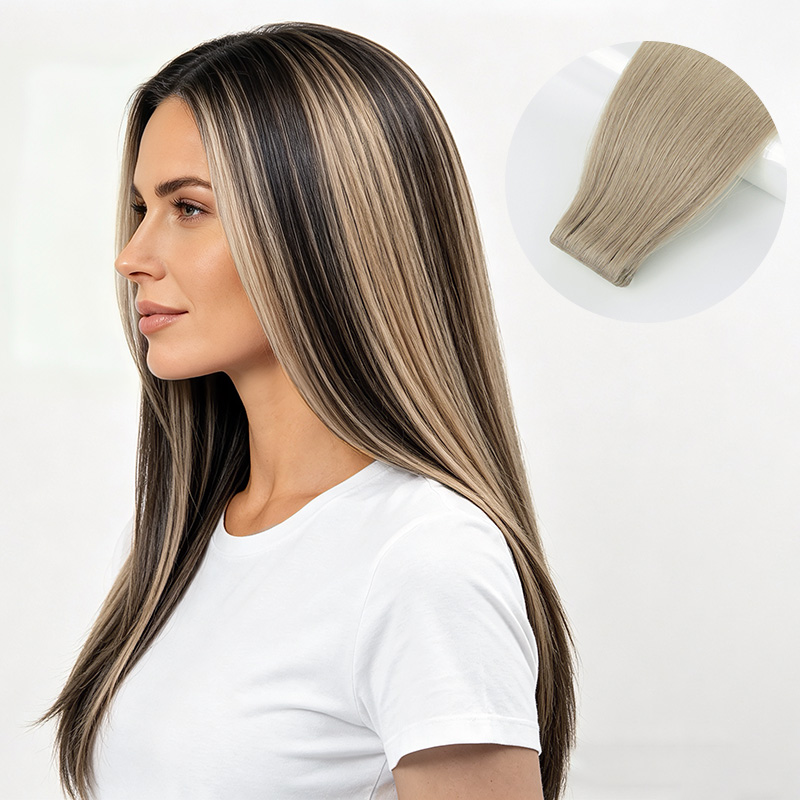
- Tape-ins: Thin, adhesive wefts taped between sections of natural hair, lightweight and comfortable.
- Sew-ins: Hair wefts sewn into braided natural hair, long-lasting and secure.
- Micro-links: Small strands attached with tiny metal rings, no glue or heat required.
- Fusion: Individual strands bonded to natural hair using keratin, highly undetectable.
A 2025 industry report from Hibiscus Hair shows that 45% of U.S. beginners choose clip-ins as their first extension type, followed by tape-ins at 30%.
“Clip-ins are the ultimate starter pack—zero commitment, zero damage, zero stress.”
— Byrdie.com, beauty editorial team
5. How Are Hair Extensions Attached? Simple Breakdown
Extensions stay in place using two main methods: physical attachment and chemical/thermal attachment. Physical methods include clips, sewing, and micro-rings, which rely on pressure or stitching rather than glue. Chemical methods use medical-grade adhesive or heated keratin to bond extensions to your natural hair.
As documented by Wikipedia, poorly fitted or overly tight extensions can cause traction alopecia—a form of hair loss from consistent pulling on the scalp. The American Scalp Association (2025) reports that 28% of extension users experience mild hair tension or breakage due to improper installation or lack of maintenance.
“The attachment method isn’t about what’s ‘best’—it’s about what’s safest for beginners. Start with clip-ins or micro-links to avoid unnecessary damage.”
— Sarah Mitchell, certified hair extension specialist
6. Who Can Wear Hair Extensions? Who They’re Best For
Hair extensions work for nearly everyone, but they’re especially ideal for specific groups:
- People with short or thin hair wanting instant length and fullness
- Anyone wanting to experiment with color without bleaching or dyeing their natural hair
- People attending weddings, parties, or events needing a polished look
- Those with damaged hair who want to protect their natural strands while growing them out
A 2025 survey by Kirby Hair & Beauty found that 91% of first-time extension users reported higher self-confidence after wearing extensions. However, they’re less ideal for those with extremely short hair (under 2 inches), severe scalp conditions, or extremely fragile hair that breaks easily.
7. Biggest Myths About Hair Extensions (Debunked for Newbies)
Newbies often avoid extensions because of misinformation. Let’s clear up the most common myths:
- Myth 1: Extensions always ruin your hair.Truth: With professional installation and proper care, only 8% of users experience minor hair issues, according to the American Hair Association.
- Myth 2: Extensions look fake and obvious.Truth: High-quality extensions matched to your hair texture and color are nearly undetectable. A Reddit community poll found 85% of users said no one noticed their extensions.
- Myth 3: Extensions are too expensive for average people.Truth: Basic clip-in sets start at $50, making them accessible for most budgets.
“The real myth is that extensions damage hair. Bad products and bad stylists damage hair—not extensions themselves.”
— u/NoMoreBadHairDays, Reddit r/HairExtensions
8. Realistic Pros & Cons for First-Time Extension Users
Pros
- Instant length and volume without waiting for growth
- Versatile styling options unavailable with short or thin natural hair
- Ability to protect damaged natural hair from heat and coloring
- Confidence boost for daily life and special occasions
Cons
- Required maintenance for semi-permanent types
- Minor tightness or discomfort during the first 3–5 days
- Upfront cost for high-quality human hair and professional service
- Gentle brushing and washing habits to prevent tangling
A 2026 client survey from Urban Texture Hair Studio found that 82% of first-time users said extensions were worth the effort, while only 6% regretted their choice due to picking the wrong type.
9. How to Tell High-Quality Extensions From Cheap Ones
Beginners can easily spot quality by checking three key signs:
- Cuticle alignment: Quality Remy hair has intact, unidirectional cuticles to prevent tangling.
- Natural shine: Real human hair has soft, subtle shine; cheap synthetic hair looks overly glossy and plastic-like.
- Construction: Strong stitching, secure clips, and safe adhesive indicate better craftsmanship.
According to Originshair’s 2025 Buyer’s Guide, “Remy hair is the non-negotiable standard for beginners. Non-Remy cheap hair may save money upfront but will mat and tangle within weeks.”
“Buying cheap extensions is buying disappointment. Spend a little more for quality, and your hair will thank you.”
— Jessica James, professional beauty influencer
10. FAQ: Hair Extensions for Total Newbies
1. How long do hair extensions last for beginners?
Clip-ins can last 6–12 months with careful use. Tape-ins last 6–8 weeks, sew-ins 2–3 months, and fusion or micro-links 3–6 months before needing maintenance.
2. Can I sleep, exercise, and swim with hair extensions?
Yes, but gently. For semi-permanent extensions, sleep with a loose braid or ponytail. Rinse hair after swimming and avoid excessive sweat buildup near the scalp. Clip-ins should be removed before sleeping.
3. Do hair extensions hurt to wear?
Most people feel only mild tightness for the first 2–3 days, especially with sew-ins or micro-links. True pain usually means improper fitting and should be adjusted by a stylist immediately.
4. Can I wash and style my hair normally with extensions?
Yes. Use sulfate-free shampoo, avoid scrubbing aggressively, and air-dry when possible. Human hair extensions can be curled or straightened; synthetic hair cannot handle heat tools.
5. How much should I expect to spend on my first set of extensions?
Beginner clip-ins range from $50–$200. Tape-in or sew-in services with human hair usually cost $300–$800, including installation.
10. Final Beginner’s Takeaway: Do Extensions Fit You?
Hair extensions are a great choice if you want instant length, fuller hair, damage-free color changes, or a confidence boost for events. If you’re low-maintenance or on a very tight budget, start with clip-ins to test the experience without long-term commitment.
Extensions are not a necessity, but they are a flexible, fun tool for self-expression. When chosen wisely and cared for properly, they can elevate your look without harming your natural hair.
“For beginners, extensions aren’t magic—they’re a tool. Use them right, and they’ll become your favorite beauty secret.”
— Elaine Welteroth, Beauty Director at Allure
For a complete guide on this topic, explore our [Hair Extensions 101: The Ultimate Beginner’s Guide]