
What is hair made of ?
Hair is made up of the cuticle, cortex and medulla, there is 95% keratin protein.
It has two main parts: the hair follicle and the hair shaft.
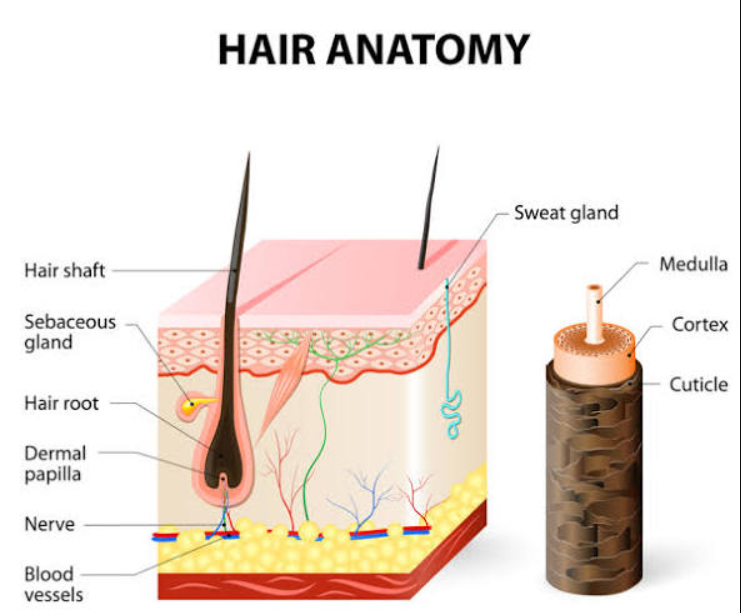
As one of the most significant factors affecting one’s outward appearance, our hair frequently gives rise to a wide array of annoying concerns, such as the occurrence of split ends, troublesome tangling, and distressing hair loss.
Ever spent a fortune on hair care products, only to still struggle with dry, frizzy hair?
Spent ages styling your hair to perfection, just for it to go flat and lifeless within half a day?
To know well about hair facts and structure, we can easily handle these situations. Then we can protect our hair and keep it healthy and beautiful.
From understanding your hair’s little quirks to mastering handy care tips, every single detail holds the secret to getting lush, glossy locks—don’t miss out!
Facts & Hair Structure Diagram of Healthy Hair
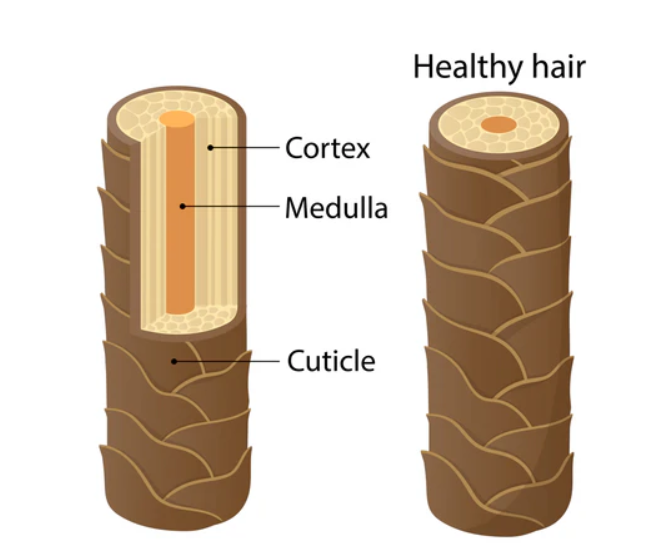
Healthy hair( Butterfly Weft Extensions ) keeps full cuticles which can protect hair nutrition from being lost.
– Hair Cuticle: Also known as the hair scales, it is composed of hard keratin and usually consists of 2 to 4 layers of scales overlapping each other like roof tiles. As the outermost layer of the hair, it serves to protect the hair shaft, yet it is vulnerable to damage caused by friction and chemical substances.
– Hair Cortex: Accounting for 75% to 90% of the hair’s total composition, it is the main part of the hair. Made of soft keratin, it contains a large number of tiny fibrous cells with cohesive melanin, which determines the hair’s color, strength and elasticity.
– Hair Medulla: Located at the very center of the hair, it has a hollow structure filled with air and is composed of 2 to 3 layers of shrunken cuboidal keratinized cells. The ends of the hair and fine downy hair may not have a medulla. It plays a certain role in heat insulation and enhancing the hair’s strength.
Are you damaging your hair?
There are two main factors that damage our hair in daily life: one is corrosion caused by acidic or alkaline substances, and the other is high temperature.
First of all, let’s take a look at the image of undamaged hair, showing what the hair cuticles look like when they haven’t been harmed by high temperatures or acid-alkaline corrosion.
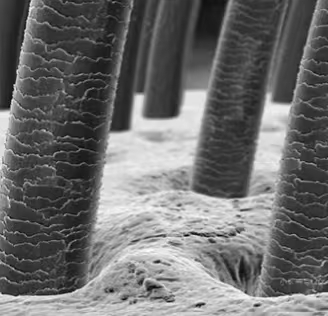
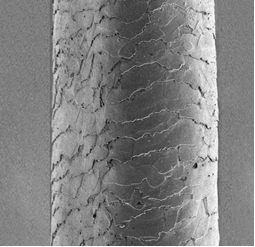
As we can see from the images, the hair cuticles lie flat and tight against the hair shaft, remaining in a closed state. When exposed to acid-alkaline corrosion or high temperatures, the hair cuticles will open up. That would cause some problems.
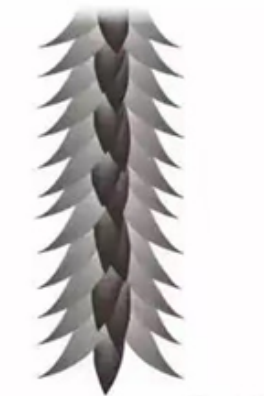
Open Cuticles
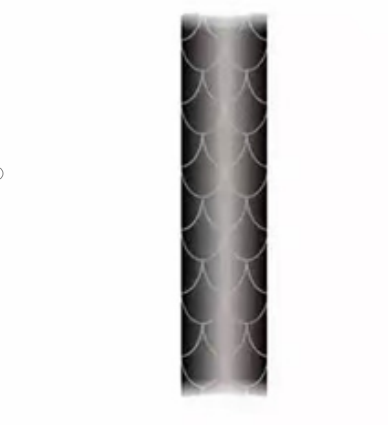
Closed Cuticles
When the hair cuticles become damaged, the nutrients and moisture inside the hair will be lost rapidly. Mild damage will shorten the healthy lifespan of the hair; in cases of severe damage, the cuticles will open fully and be unable to close again, standing up like tiny barbs. This greatly increases friction between the hair strands, making the hair more prone to tangling. The hair also becomes dry and rough, making it impossible to comb through smoothly. As a result, the hair will knot up, and customers will habitually pull hard on it in an attempt to brush through.
NO.1 The dangers of Acid-Alkaline Corrosion
While our hair doesn’t normally get damaged by acidic or alkaline substances in everyday life, many people choose to dye their hair for cosmetic reasons.
When having their hair dyed, stylists first use an acidic or alkaline solution to lift the hair cuticles, allowing some of the natural melanin pigment to be drawn out. They then estimate how long the cuticles need to stay open, based on the shade the client wants to achieve.
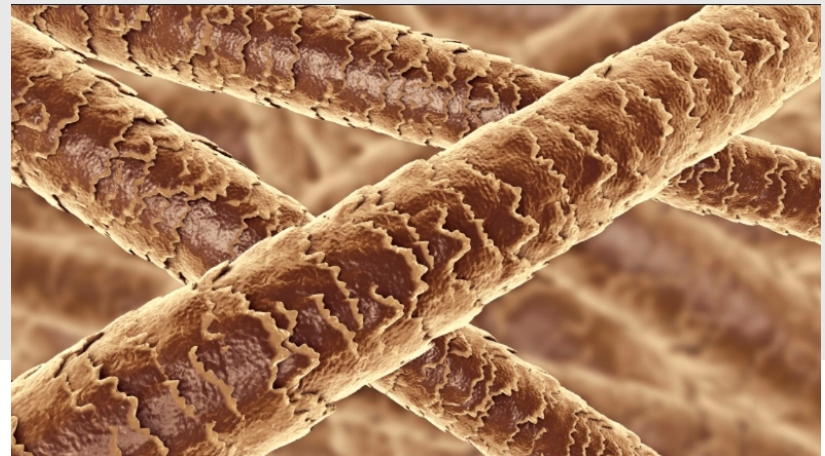
If the cuticles are left open for too long without being neutralised to restore the hair’s pH balance, the hair’s essential nutrients and moisture will escape. This leads to the dyed hair looking dry, dull and lifeless.
The dry hair is as shown in the picture below.
Friendly Reminder:
Hair dyeing is extremely popular and common these days, but you should never attempt to dye your hair at home. Most people don’t understand how to balance and neutralise the acidic and alkaline chemicals used in the process, and improper handling can easily damage your hair. For this reason, it’s always best to have your hair dyed by a professional stylist who has the expertise to protect your hair’s health.
NO.2 Permanent damage caused by high temperatures
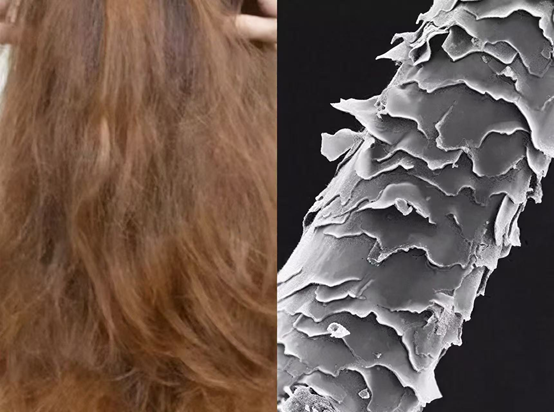
High temperature is one of the most damaging factors for your hair. The hair cuticle is just a thin outer layer, and excessive heat can literally burn it. If parts of the cuticle become charred and broken, they will lift and curl up, leaving the hair fragile and prone to snapping.
In daily life, many people use hair straighteners, which rely on extremely high temperatures to set the hair in place. This is undoubtedly an extremely damaging practice for your hair. Not only does it burn the cuticle, but in more severe cases, it can even damage the hair shaft itself—leading to noticeable hair loss.
Friendly Reminder:
If you have to use styling tools like hair straighteners, it’s better to use a low heat setting and go over your hair multiple times rather than applying high heat in one go. The hair cuticles will be completely damaged if they are exposed to high temperature all at once!
The Right Way to Take Care of Your Hair
To keep hair healthy and smooth, proper way to take care of hair is very important in our daily life.
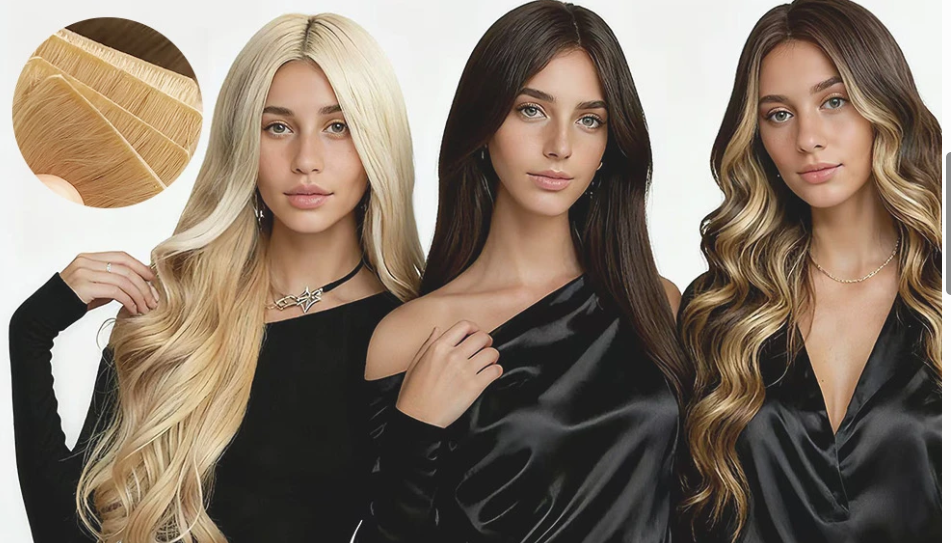
As hair extensions ( Genius Weft Extensions ) become more and more popular, a comprehensive understanding of hair care knowledge is necessary to extend the lifespan of hair products.
1. Gentle Cleansing & Targeted Conditioning
Choose a shampoo that matches your hair type: oily hair 3–4 times a week, dry hair 2–3 times a week. Keep the water temperature around 37°C and massage your scalp with your fingertips. After washing, apply conditioner or a hair mask focusing on the ends, and do a deep nourishing treatment 1–2 times a week. Conditioner works to close the hair cuticles and lock in moisture.Be sure to avoid over-cleansing your hair. Washing it too frequently can disrupt the natural oil balance of your scalp, leading to either dryness or increased oiliness. After exercising, you can rinse your hair with plain water instead of using shampoo every day.
2. Minimise Heat & Chemical Damage
Space out hair dyeing and perming by at least 3 months, and use extra conditioning treatments after bleaching or dyeing. Use styling tools on low to medium heat, keep your hairdryer at least 15 cm away from your hair, and avoid high-heat drying on wet hair. Always apply a heat protectant before using styling tools to form a protective barrier on your hair. Use a repairing hair mask for a week straight after perming or dyeing to deeply nourish the damaged cuticles and restore strength to your hair
3. Sun & Friction Protection
Wear a hat or use hair products with sunscreen to protect against UV damage. Sleep on a silk pillowcase to reduce friction and static. When going out, try to avoid direct midday sunlight on your scalp. For long periods of outdoor activity, you can use a sunshade as well for double protection, which reduces UV damage to hair follicles. For daily hair brushing, opt for wide-tooth or wooden combs in preference. This avoids static electricity generated by plastic combs that pulls on hair strands, further reducing the chance of hair cuticle damage.
4. Nourish From Inside & Out
Eat more eggs, fish, and soy products to boost keratin intake, and get plenty of vitamins B/E, zinc, and iron. Drink 1.5–2 litres of water daily to maintain your scalp’s moisture-oil balance. In addition, you can properly add nuts, dark green vegetables and lean meat to your diet, which supply the scalp with unsaturated fatty acids and trace elements to strengthen your hair strands. You can also use mild scalp serums; these nourish the scalp externally, improve scalp microcirculation and help nutrients reach the hair roots more effectively.
5. Smart Trimming & Gentle Brushing
Trim split ends every 8–12 weeks. Avoid tight hairstyles like high ponytails, pulling on your scalp can also lead to hair loss ;use a wide-tooth comb to brush from ends to roots, and massage your scalp for 3–5 minutes before bed to boost circulation. Ask your stylist to keep your hair’s natural layers when trimming, which reduces stress points that cause hair breakage from pulling. Brush your hair gently, and never yank at tangles—instead, work through knots slowly and smoothly from the ends upwards.
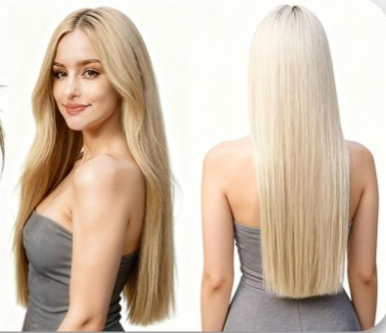
By doing so, you will obtain the hairstyle shown in the picture below.
As a crucial part of our overall appearance, hair deserves our full attention and proper care. Only by truly understanding our hair—from its unique structure to its specific needs—can we effectively protect it and maintain a head of healthy, vibrant locks.We believe that after reading this article, you have gained a comprehensive understanding of hair structure, the various factors that can damage hair, and practical, actionable ways to care for it. Now it’s time to put these tips into practice. Stick to this routine consistently for a while, and you will surely witness a remarkable, visible transformation in the health and appearance of your hair.